Showing 33–48 of 50 results
-

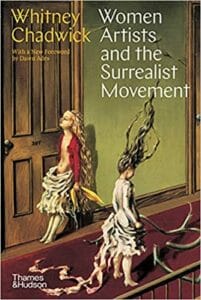
R500This pioneering book stands as the most comprehensive treatment of the lives, ideas, and art works of the remarkable group of women who were an essential part of the Surrealist movement. Leonora Carrington, Frida Kahlo, and Dorothea Tanning, among many others, embodied their age as they struggled toward artistic maturity and their own “liberation of the spirit” in the context of the Surrealist revolution.
-

R1750This luxury guide to the highlights of the Tate Britain’s collection provides an essential introduction to the extraordinary development of British art over the centuries, telling the story of the collection and presenting a selection of the stunning works on display. It’s a lavishly illustrated, beautiful collection of highlights from the Tate collection over the past 500 years.
-

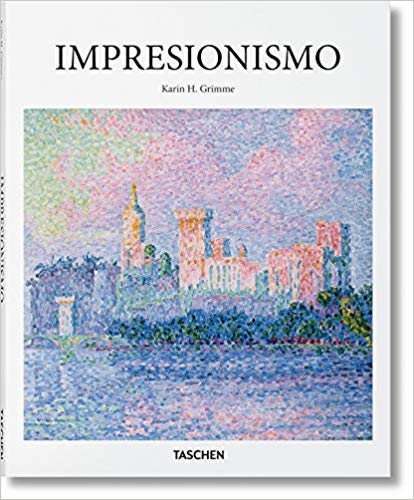
R250In this TASCHEN Basic Art introduction to Impressionism, we explore the artists, subjects, and techniques that first brought the easel out of the studio and shifted artistic attention from history, religion, or portraiture to the evanescent ebb and flow of modern life.
-

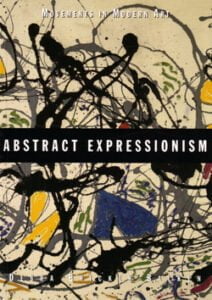
R80Although influenced to some extent by Surrealism and European abstract painting, Abstract Expressionism was hailed by critics as the first truly American avant-garde movement. It took post-war America by storm and its impact was swiftly felt
-

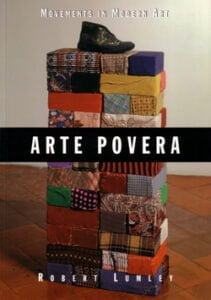
R100‘Robert Lumley’s new text on Arte Povera provides a much needed guide … His elegantly lucid text cuts through thickets of misinformation and hyperbole to present a history that is remarkably cogent, illustrating Arte Povera’s centrality to world art and continuing importance to the art of today.’ Richard Flood, Chief Curator, Walker Art Center.
-
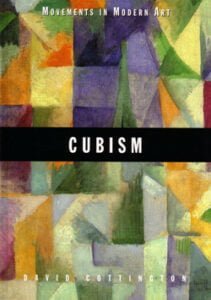
R80Cubism, perhaps the seminal movement for the arts of the twentieth century, was also one of the most complex. Divided between the annual public exhibition and the emerging network of private galleries, between French and immigrant artists, it was
-
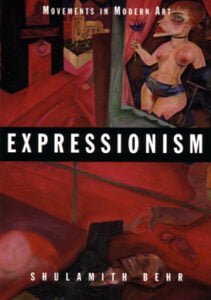
R80The term `Expressionist’ was initially applied to French modern painting displayed in a Berlin Secession exhibition of 1911. By the time of the First World War; the broader concept of `Expressionism’ permeated German metropolitan culture at many levels. Though lacking stylistic cohesion, the movement was united by a rejection of Impressionism and a search for an inner, essential reality behind the external world of appearances.
-
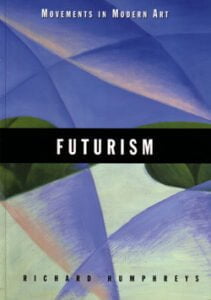
R180Futurism, the brainchild in 1909 of Italian writer and cultural impresario F.T. Marinetti, was the defining avant-garde art movement of the early twentieth century. Inspired by the cities, technology, speed and latent violence of the world around them, as well as by the ideas of thinkers such as Bergson and Nietzsche, the Futurists created an
-
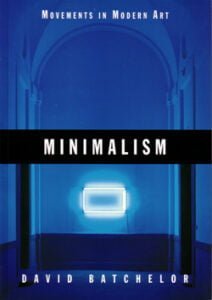
R80In this thought-provoking publication David Batchelor looks at the varied types of criticism and interpretation to which Minimalism has been subjected over the years. It ends by discussing how Minimalism, which has had a huge influence on subsequent art, continues to inform the work of contemporary artists.
-

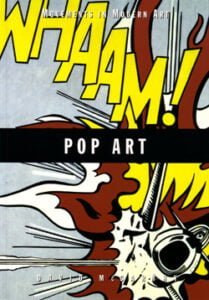
R180This study follows the development of Pop, from its roots in the irreverence of Dada and Surrealism, to its rise in popularity as an art form that celebrated the glamour and hedonism of the newly commercialized Western world, while acknowledging its superficiality and transience.
-
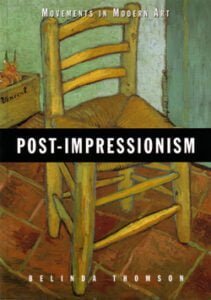
R180Hard on the heels of the Impressionists came artists with a different agenda. Dissatisfied with the essentially short-term effects Impressionism had mastered, they strove in their different ways for an art of a more permanent, structured and expressive kind. By
-
R180Realist art of the twentieth century is striking for its diversity. It has no shared style or manifesto of intention. Yet a common thread in realist art is a commitment to the modern world and to things as they are. This book examines realism in Europe and America, beginning with its roots in the ideas of Gustave Courbet in nineteenth-century France.
-

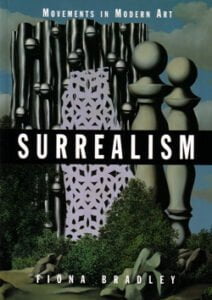
R80Surrealism was one of the most interesting and influential art movements of the twentieth century. A collective adventure begun by a small group of intellectuals in Paris in the early 1920s, amongst them Max Ernst, Rene Magritte and Salvador Dali, its influence was felt through the rest of continental Europe and in Britain, the United States, Mexico and Japan.
-

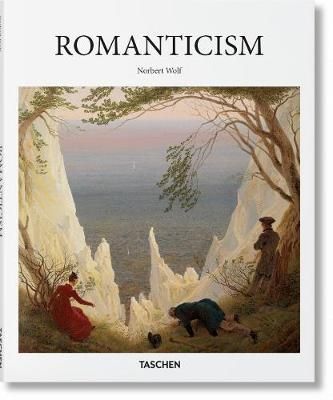
R250Around 1800, philosophers, writers, and artists revolted against rationalism, spreading a new “romantic” vision—one that believed in the goodness of humanity, the divine spirit of nature, and that saw the artist as an individual creator. This comprehensive introduction gathers an essay situating the genre across different regions, crisp reproductions, and detailed interpretations of 31 crucial pieces. For more information…
-

R250A new and expanded edition of the internationally bestselling guide to modern and contemporary art. Modern art has come to be defined by its styles, schools and movements. The more than three hundred collected here provide an indispensable introduction to the major developments in Western painting, sculpture, architecture and design during one of the most…
-
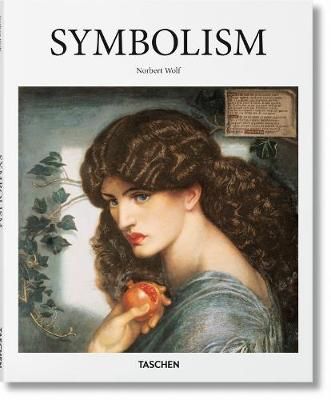
R250Whether fear, anguish, or unrequited desire, Symbolist painters believed that art should reflect an emotion or idea rather than a realistic representation of the natural world. This book brings together some of the most important images from their mysterious, spiritual, and seductive visual language. For more information click here