How to Write Art History
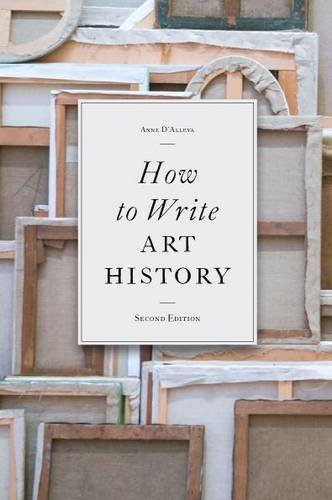
R220An invaluable handbook, “How to Write Art History” enables students to get the most from their art history course.

Showing 17–32 of 36 results
 Out of stock
An invaluable handbook, “How to Write Art History” enables students to get the most from their art history course.
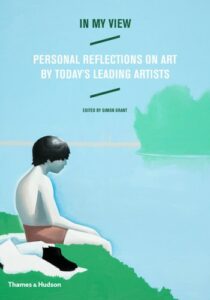
In My View is a collection of reflections by 78 contemporary artists in which each artist reveals the influence and inspiration he or she has found in a particular artwork or artist. Among the artists are John Baldessari, Daniel Buren, Chuck Close, Michael Craig-Martin, Tacita Dean, Marlene Dumas, Antony Gormley, Susan Hiller, Thomas Hirschhorn, Candida Höfer, Vik Muniz, Jorge Pardo, Raymond Pettibon, Ed Ruscha, Bill Viola and Rachel Whiteread. The stories show the profound connections that exist between artists past and present and offer an alternative look at art history from the 15th century to the 1960s, through the eyes of contemporary artists themselves. Simon Grant’s introduction identifies themes that emerge and contextualizes the history and practice of artists looking back at the work of others.
 Out of stock
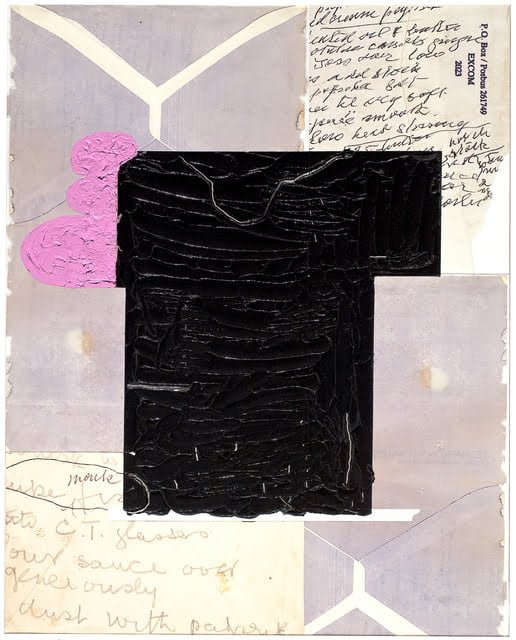
exhibition catalogue for Jo Smail’s solo show at Goya Contemporary, Baltimore, USA, in 2017.
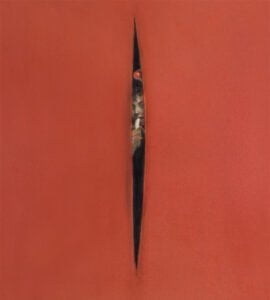
While Johannes Phokela’s work is, at first glance, an irreverent representation of Western art history, it is the cultural and political consumption of pictures that interests him most. He is a voracious consumer of imagery, drawing not only on the iconic works of the European Masters – Rubens, Van Dyck, Caravaggio – but also on newspapers, magazines and the Internet. His is an ambitious exploration of the import of received art history on the one hand and the seemingly endless proliferation of images in popular culture on the other.
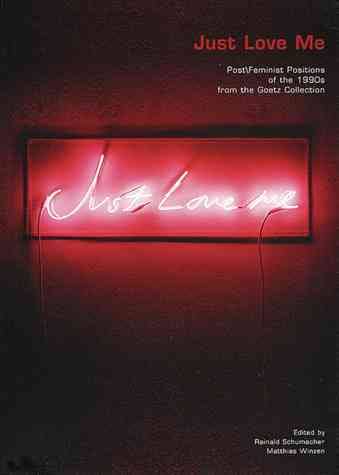
Just Love Me–with its title taken directly from a late 90s neon sign by Tracey Emin–reveals how complex and differentiated female identity constructions have become today.
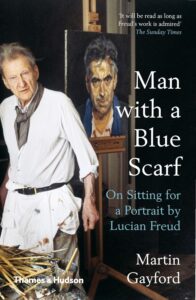
Now for the first time as a compact paperback, this book is illustrated with works by Lucian Freud, telling photographs of Freud in his studio, and images by great artists of the past, such as Vincent van Gogh and Titian, who are discussed by Freud and Gayford.
Essay by Ralf Seippel: Melting Art in the Melting Pot
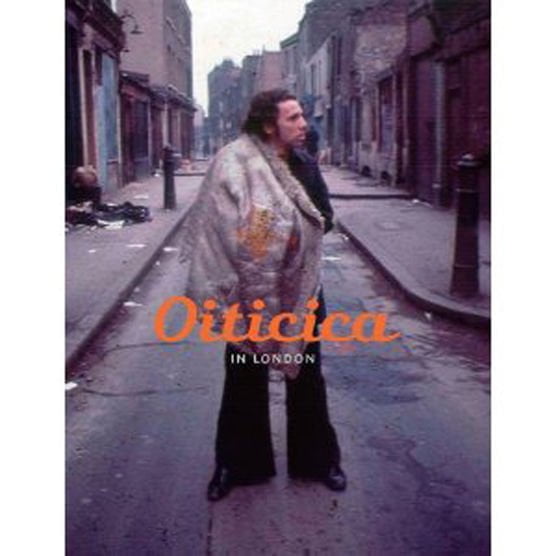
Exhibition Catalogue about the influential Brazilian artist Hélio Oiticica, shown at TATE Gallery, London, UK, in 2007.
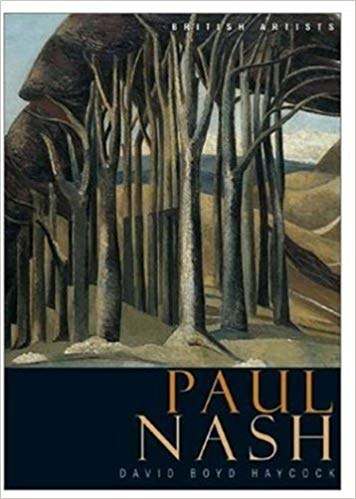
As a painter, illustrator and critic, Paul Nash (1889-1946) was at the forefront of British art in the first half of the twentieth century.
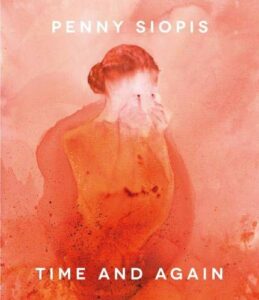
With her earliest work, Penny Siopis established herself as one of the most talented and challenging visual artists in and beyond South Africa. Penny Siopis: Time and Again engages in a variety of ways with her work of the past 35 years. A conversation between the artist and the editor, Gerrit Olivier, unfolds throughout the book, giving the reader fascinating insights into her working methods, her strong interest in form and different genres, her theoretical concerns and her views on the position of art in a socio-political context.
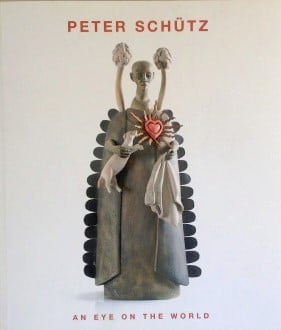
This catalogue accompanied the exhibition that ran at Wits Art Museum, Johannesburg, in 2015, entitled Peter Schütz: An Eye On The World, celebrating the late artist’s legacy.
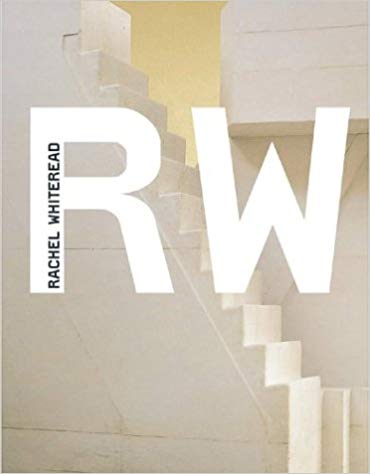
Rachel Whiteread solidifies space. Employing materials that include concrete, plaster, resin and rubber to mould not the objects themselves but the areas within or around them, she has single-handedly expanded the parameters of contemporary sculpture.
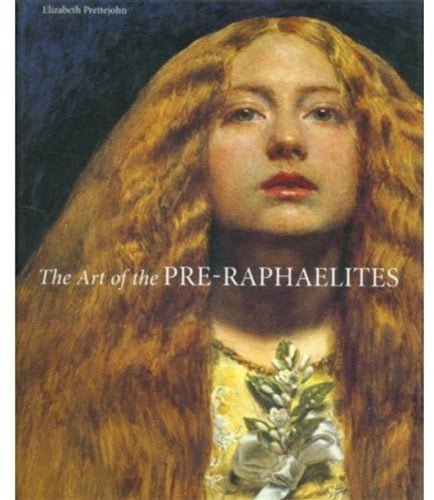
This lavishly illustrated book concentrates more closely on the visual impact of Pre-Raphaelite art than any previous study.
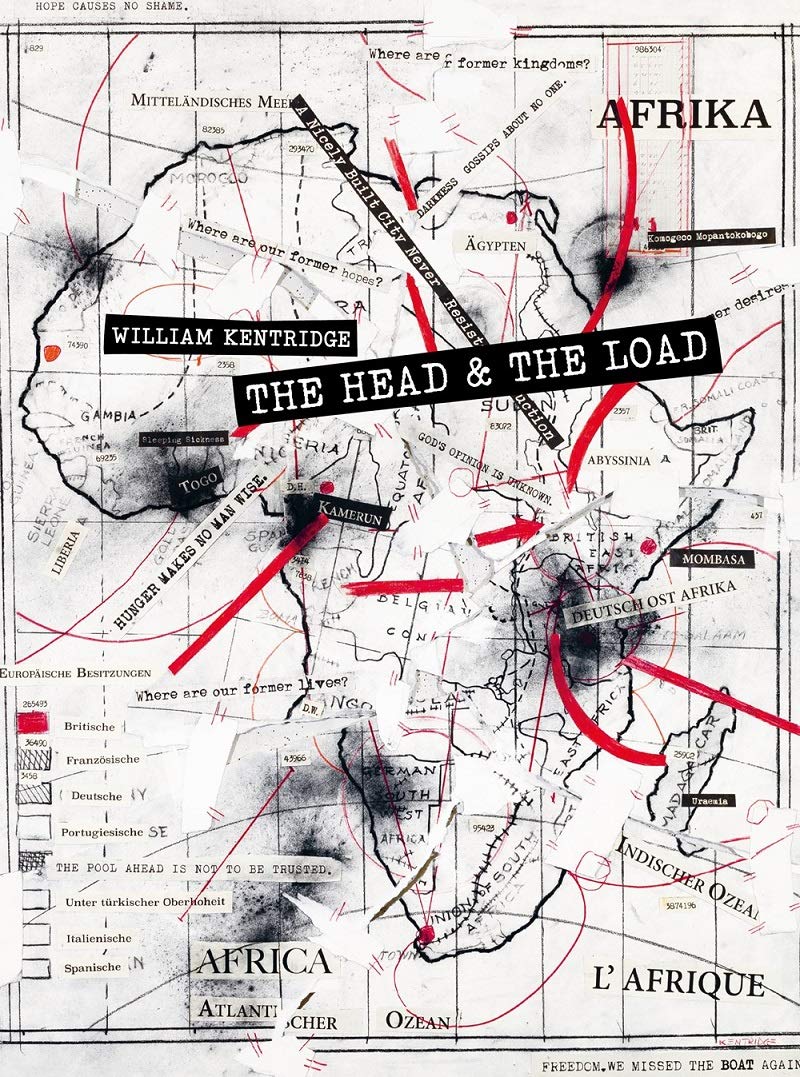
For over thirty years, William Kentridge has been combining fine arts, performance, theatre, and opera to create dreamlike, political, and humanist works. His installations , films, and drawings often deal with the political situation in South Africa, apartheid, and the consequences of colonialism. This book gives an in-depth examination of his performance piece The Head & The Load, which explores the role of Africa during World War I. Throughout the war, more than one million Africans carried provisions and military equipment in hazardous conditions for British, French, and German troops at minimal or no pay.
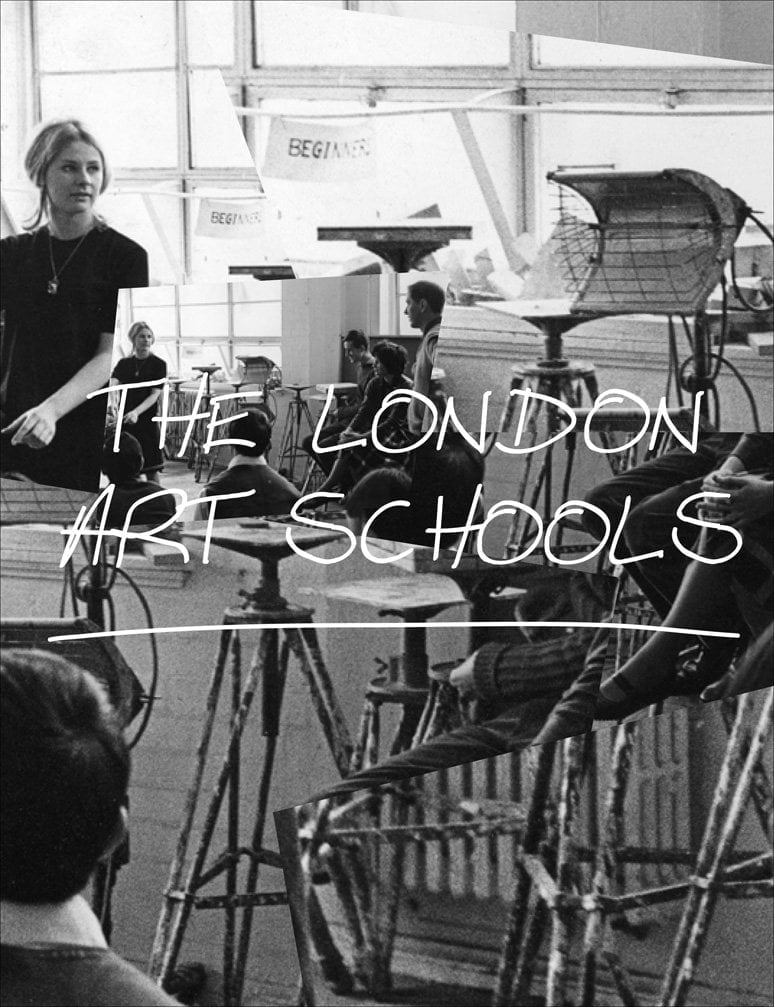
Since 1960, progressive forces within art education have fired new impulses in the field of artistic production. As society at large embraced youth and popular culture, art-school students with international aspirations tore down class barriers, fused fashion with pop, and insisted that art was integral to social change.
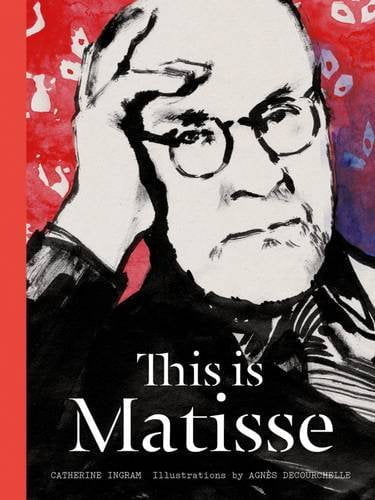
In the history of twentieth century modernism, Henri Matisse is a calm and unstoppable revolution of creative genius.
No products in the basket.