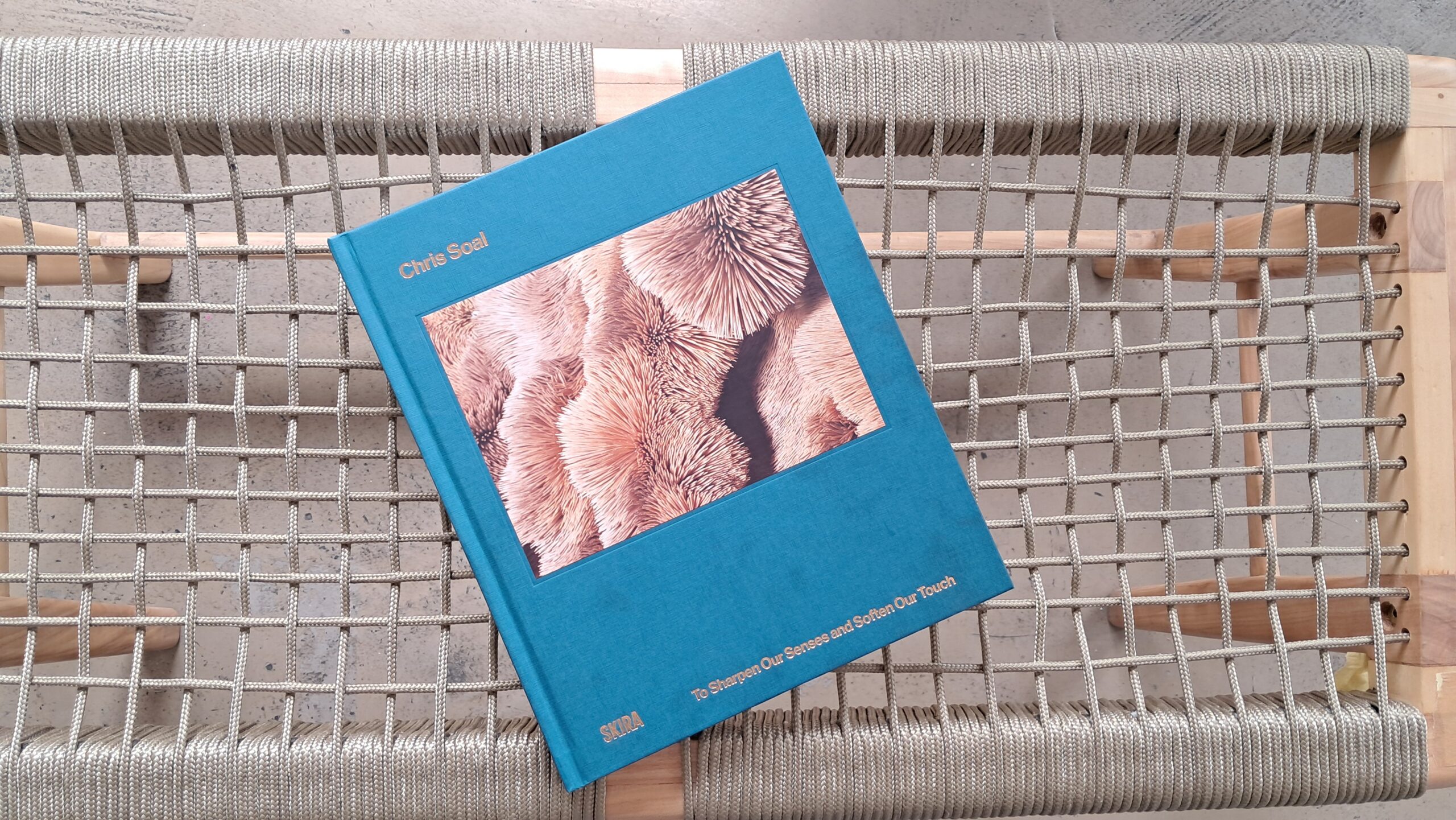
Chris Soal | To Sharpen Our Senses and Soften Our Touch
In A found object is a natural or man-made object, or fragment of an object, that is found (or sometimes bought) by an artist and kept because of some intrinsic interest the artist sees in it. (tate.org.uk 2026).
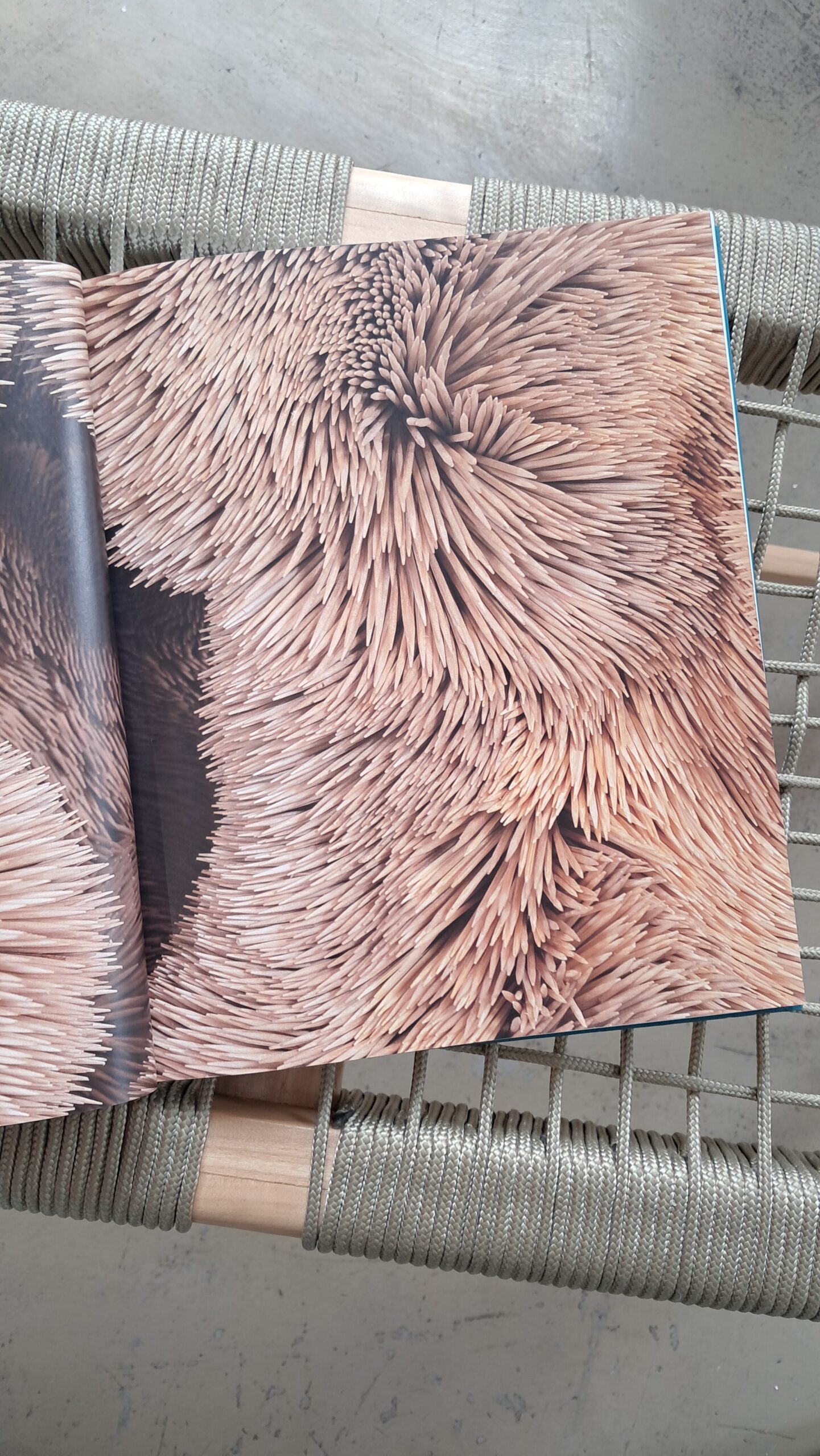
Many artists explore the ready made in their work, taking ordinary, everyday objects and incorporating them into their practice. The resultant artwork often takes the found object out of its normal context, transforming it, at times, into something almost alien.
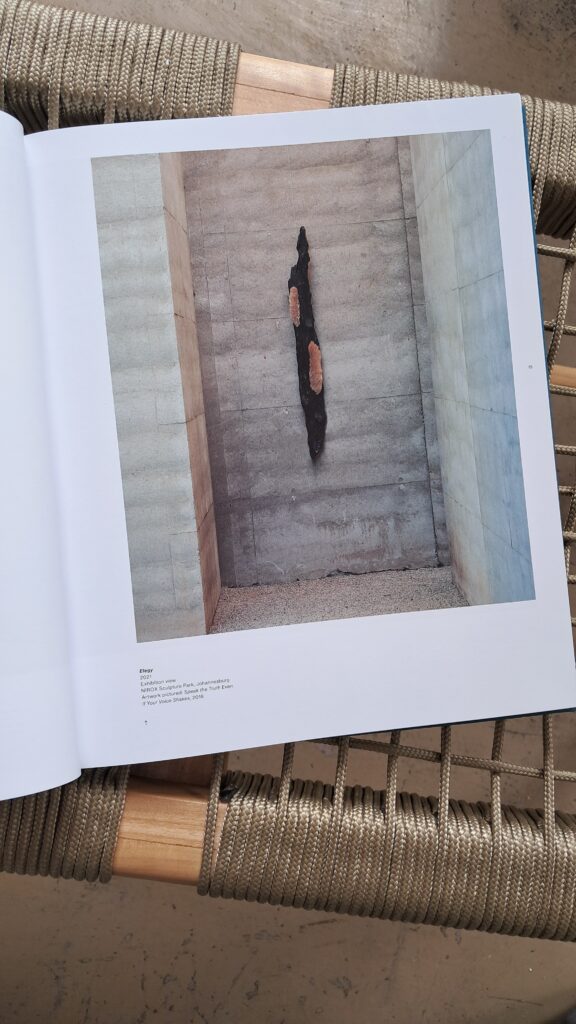
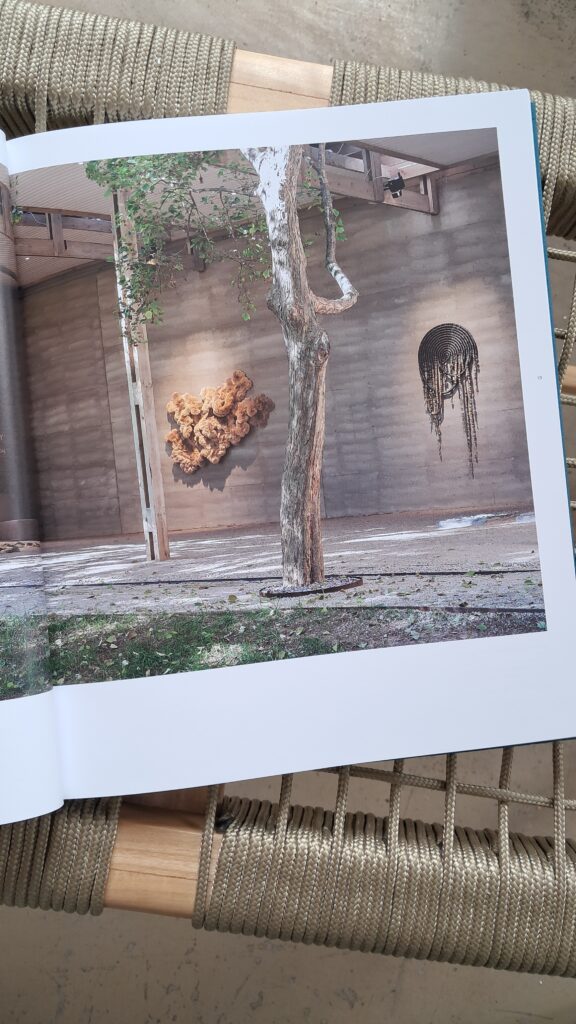
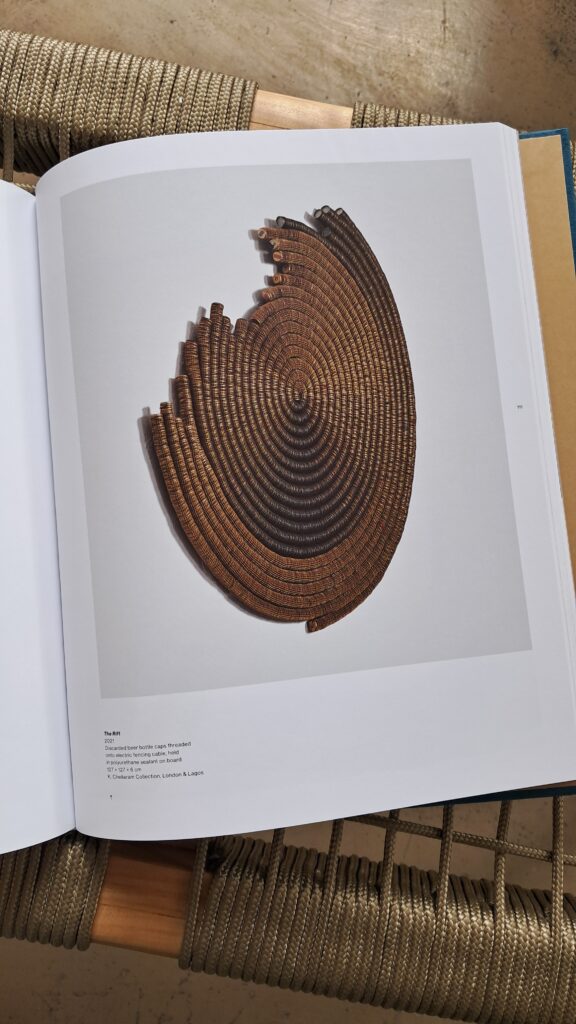
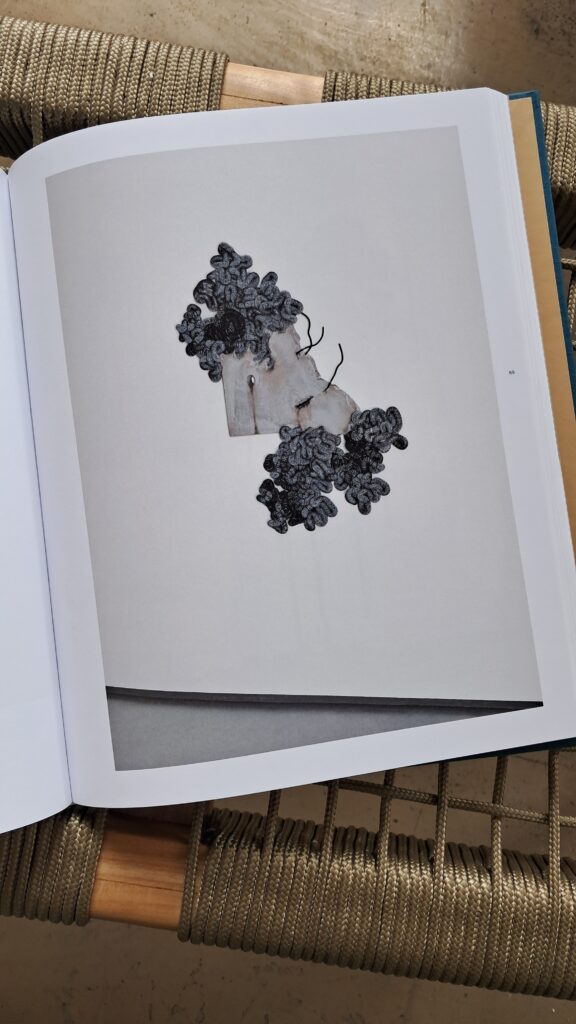
This is demonstrated perfectly by the work of Chris Soal, whose abstract sculptures are built out of toothpicks, beer bottle caps, electric fence cable, industrial debris and more. Their twisting, organic-yet-foreign shapes draw their viewers in and hide the ordinariness of their base materials.
In To Sharpen Our Senses and Soften Our Touch, readers are invited to explore Soal’s work, alongside a selection of some of South Africa’s best art writers and academics: Sean O’Toole, David Mann and Natasha Becker. Readers also get to enjoy and interview between the artist and Marta Papini, an independent curator and writer from Italy.
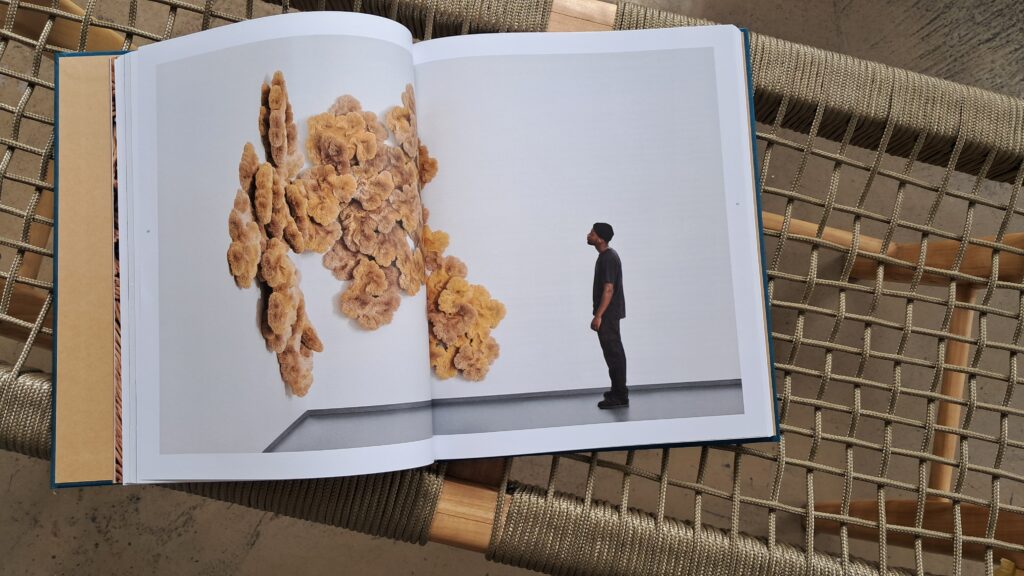
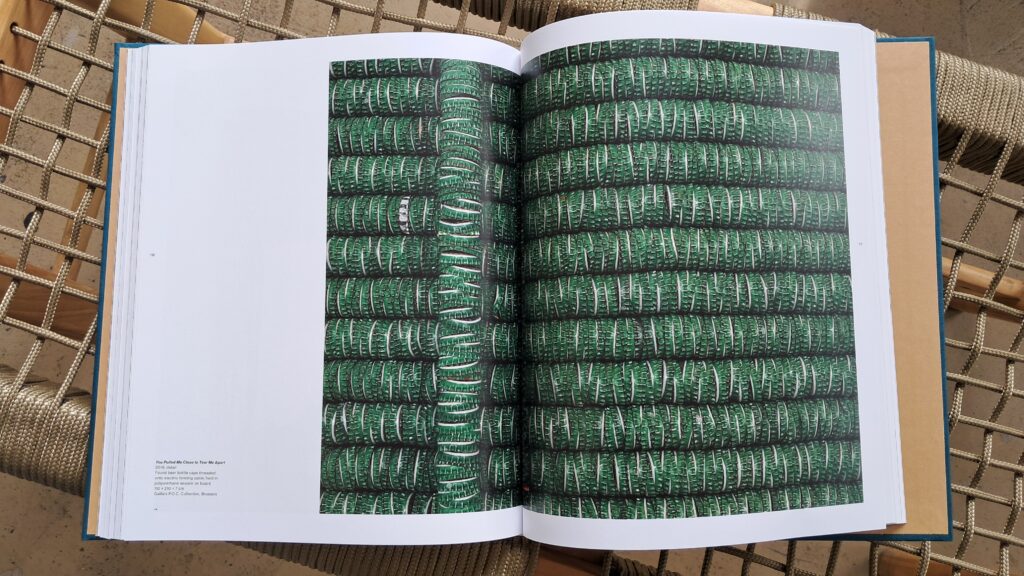
In the forward, O’Toole introduces the reader to Soal’s work, taking the reader through the origins of the sculptor’s practice briefly, as well as discussing the themes of the work.
“Obsolescence and repair figure strongly as themes. But preceding this- before the elaborate choreography of mass-produced debris into resonant physical forms, before the possibility of finding renewed purpose for the flotsam of contemporary life – something else must happen. “(Soal 2025: 8).
Becker uses Soal’s sculptures to explore counter-realities, grappling with consumerism, media and technology and the role that these things play in the creation of alternative realities. She highlights how Soal’s work draws its viewer into an intimate relationship and opens up the stories hidden within mundane objects.
“Soal’s profoundly material art invites us to reflect: how do changes in society and technology shape our consciousness? If we could grasp these shifting forces through his material transformations, we might see that our social world has become increasingly fragile.” (Becker 2025: 61).
Mann’s writing, somewhat unusually for an artist’s monograph, takes the form of a short story, written from a conversation between the author and the artist. The reader is invited to wander the streets of Johannesburg with story’s protagonist as he grapples with nostalgia and the familiar. According to the author’s note
“While the story draws heavily from Soal’s own work, as well as his memories and experiences of the city of Johannesburg, the narrative is wholly fictional and serves as a point of entry for reading Soal’s evolving practice in relation to the city in which he was raised.” (Mann 2025: 123).