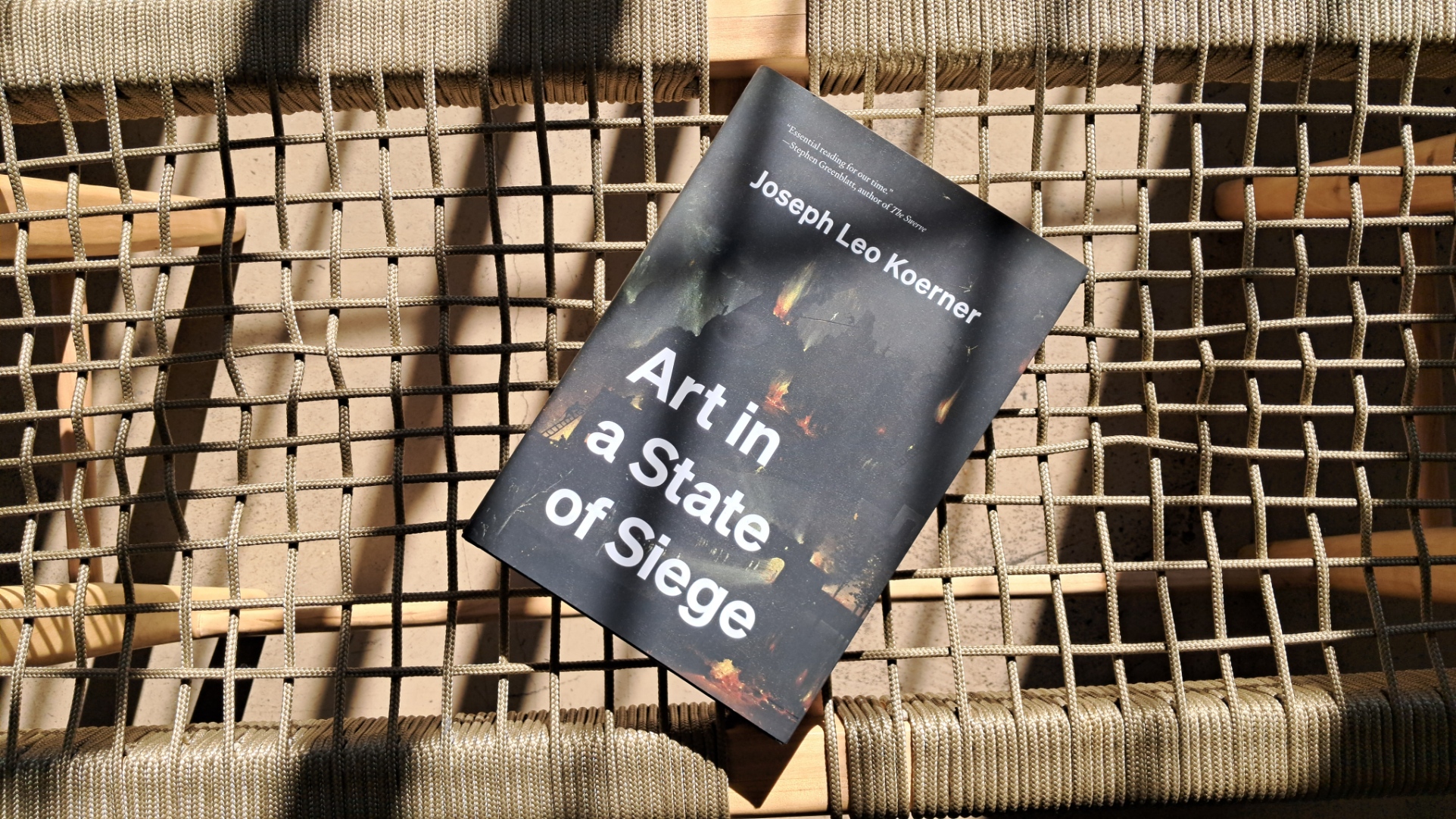
Joseph Leo Koerner | Art in a State of Siege
The times are dark.
The world appears once more to be on the brink global war, with two wars already raging on the European continent and threats of more on the horizon. The streets of America are flooded with malicious men enacting violations of human rights, sanctioned by the government, spreading hatred, bigotism and racism across state lines. And on top of all that, we face the imment threat of ecological collapse owing to humanity’s history of resource abuse and overelance on harmful fossil fuels.
And none of this is new.
In truth, its almost a repetition of the past, begging one to ask; do we learn from history?
Maybe not. Maybe we do. Who can truly say.
We can say, however that art certainly reflects history, with artists tapping into the zeitgeist of the times for inspiration. They create works the mirror the world in which they are living, works that are shaped by this world. And this is what Joseph Leo Koerner explores in Art in a State of Siege, focus his through three works and three artists.
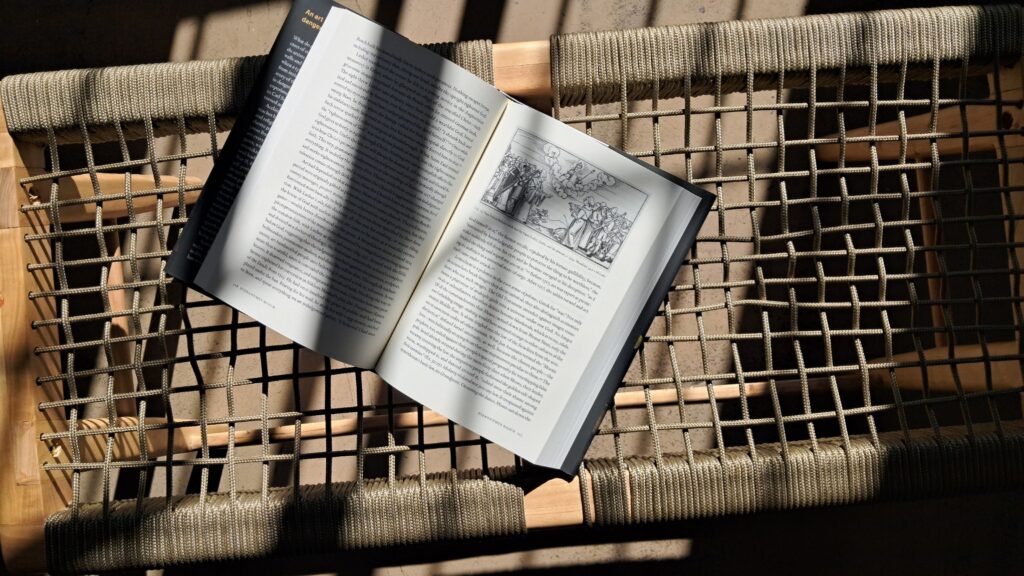
Koerner takes the title of his book from a phrase of Kentridge’s which the authorexpands upon in the first chapter:
“Kentridge’s phrase “art in a state of siege” named what was the case for South African artists working under apartheid. Siege also described how past art was perceived in emergencies. Beckmann’s art looked different in Johannesburg in 1986 than it had previously, just as it looked different in Germany in 1927 than it did in 1933 under Hitler. In this sense, “art in a state of siege” is not primarily the work produced during, or addressing, the dangerous moment. It is rather a perspective on art arising in that moment—what Bosch’s triptych looked like to the Duke of Alba subduing rebellion in the Netherlands, or to Carl Schmitt in prison in Nuremberg, or to Erwin Panofsky lecturing at Harvard. Or to us today, with some 200 million people around the world living in declared states of emergency, democratically elected officials contesting the rule of law, and the capital of the United States besieged and stormed. “The danger affects both the content of the tradition and its receivers,” observed Walter Benjamin, himself besieged in Nazi-occupied Paris in 1940. Danger affects “content” because of what happens to a tradition, whether it is celebrated, destroyed, or rewritten; danger does this to each reception, especially when the stakes are high.” (Koerner 2025: 19)
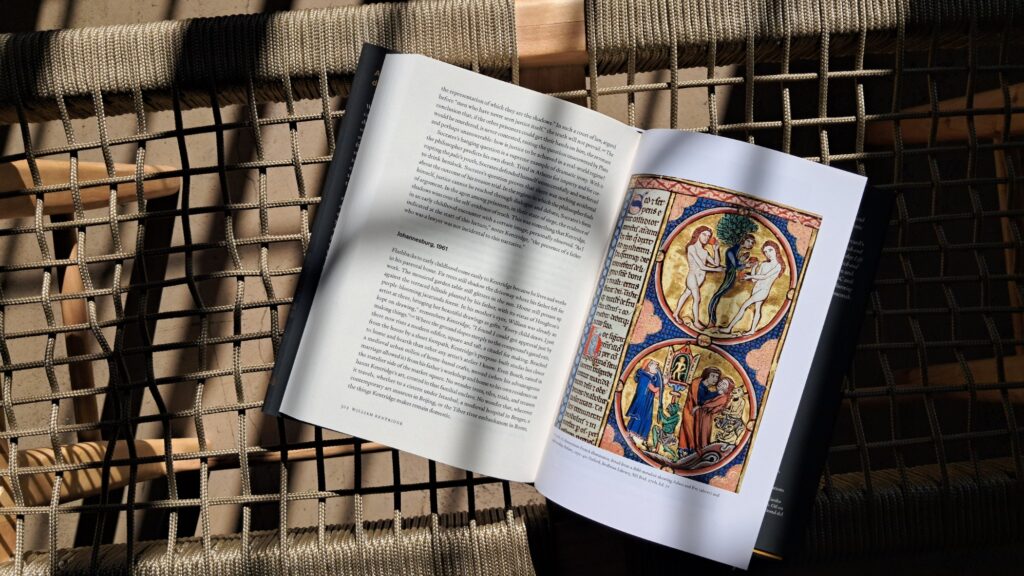
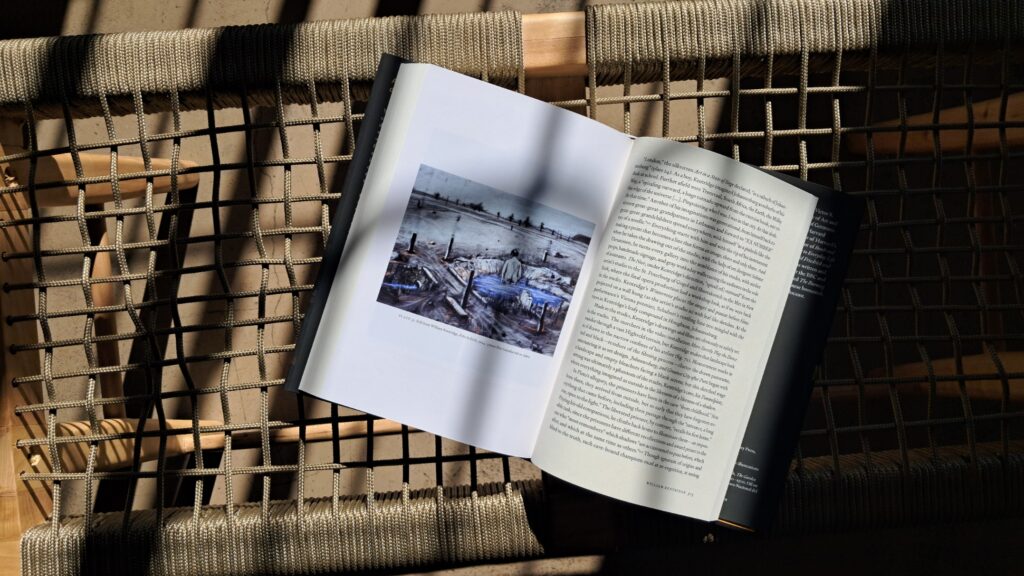
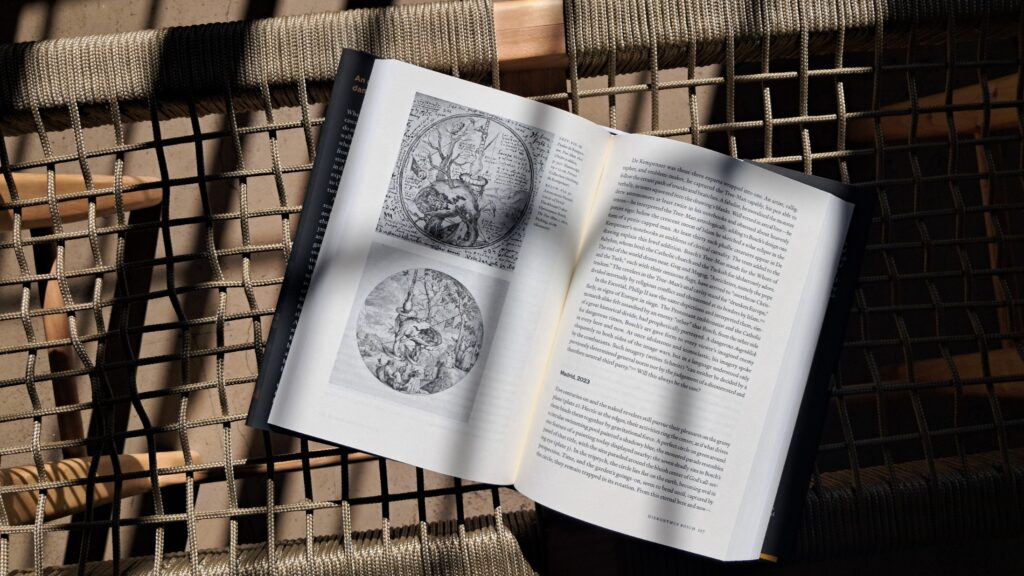
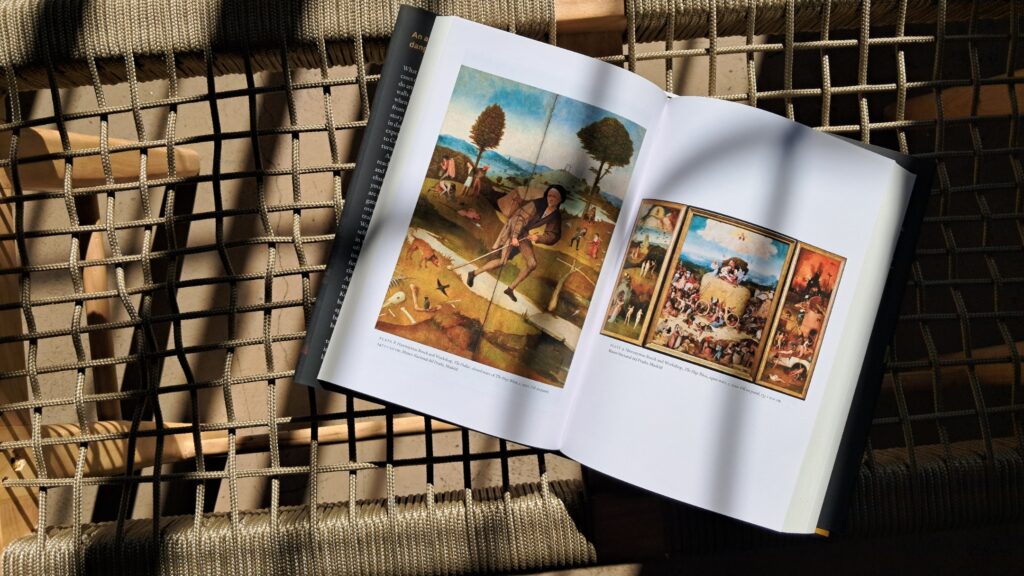
With this phrase as his starting point, Koerner takes his readers through the works of three artists: William Kentridge himself, looking at the man’s video work created during apartheid rule in South Africa, Max Beckmann and his Self Portrait, created in Nazi Germany, and Hieronymus Bosch’s confoundingand chaotic Thee Garden of Earthly Delights.
These works, according to Koerner, are related in small ways to each other, with each of them having influenced the art who came after them. In other words, Beckmann took inspiration from Bosch in the creation of his work, while Kentridge, likewise, took inspiration from Beckmann.