Showing 529–544 of 1985 results
-

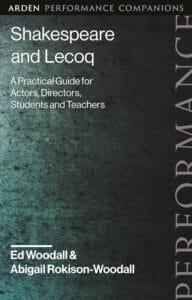
R400This book provides actors, directors, teachers and students with a clear, practical guide to applying the work of influential theatre practitioner Jacques Lecoq to the process of rehearsing or workshopping the Shakespeare text.
-

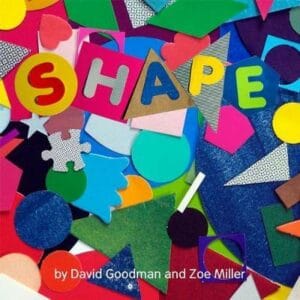
R200This wonderful book gives children a fresh and informal introduction to both 2-D and 3-D shapes.
-
Sale!

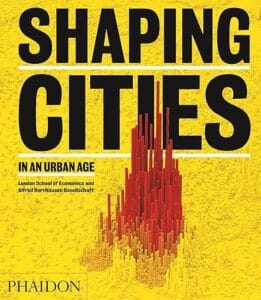
R1650 Original price was: R1650.R825Current price is: R825.An authoritative – and fascinating – investigation into the spatial and social dynamics of cities at a global scale
-

R300This unique text charts the critical social and legal debates and jurisprudential developments that took place during the rape law reform process from a comparative and international context. It also provides important insights into the engagement of civil society with law reform and includes thoughtful and contemporary discussions on the topics. It highlights the significance of rape law reform inclusion or exclusion at various stages in the process and discusses the strategic decisions made by gender activists and the context in which these decisions were made. The book also emphasises potential implementation challenges and considers how these might be addressed in terms of law and policy.
-

R540This monumental new book explores the recent history of exhibition-making, looking at the radical shifts that have taken place in the practice of curating contemporary art over the last 20 years.
-
R100Read how Shudu overcomes her sadness and her challenges, and grows into a girl, and then an adult, who has learned to love herself!
-

R280Aarathi Prasad’s Silk is a gorgeous new history weaving together the story of a unique material that has fascinated the world for millennia.
-

R900Presenting a new framework to understand the work of artists such as Lee Bontecou, Franklin Williams, Nancy Grossman, Mel Casas, Yayoi Kusama, Jim Nutt, John Outterbridge, Ralph Arnold, H. C. Westermann, Romare Bearden, Louise Bourgeois, Christina Ramberg, and Robert Arneson, this study features an expansive chronology that highlights how a broad group of artists across the United States connected to each other through exhibitions, galleries, and collectives, offering a fresh perspective on how artists in the 1960s harnessed psychoanalysis, wordplay, and assemblage, among other strategies, to create new horizons for subject matter and form that continue to reverberate in American art today.
-

R150Incwadi yabantwana abafunda isiZulu emabangeni ayisisekelo. Kukhona ikhasi lomuhumushi elenzelwe ukusiza abakhuluma lounye ulimi ngaphandle kwesiZulu.
-

R85With an introduction by a leading expert on the art of the period, this engaging book provides many new insights into the work of this extraordinary artist and the times in which he lived.
-
 Out of stock
R640This monograph surveys thirty of the most iconic buildings designed by Skidmore, Owings & Merrill (SOM), the legendary American architecture firm, since its founding in 1936.
-

R750A quiet revolution in painting that seeks to overturn fast-paced art production
British curator and writer Martin Herbert brings together in this volume the works of 19 contemporary painters that share a common stance that has come to be identified as “slow painting,” referring both to its creation and its apprehension by the viewer. Moving from representation to abstraction, these artists insist on the phenomenological experience, creating works that reveal themselves slowly, as a riposte to the contemporary tendency toward an art that is “fast,” quickly made and then consumed.
With 50 illustrations, Slow Painting includes an essay and curatorial overview by Martin Herbert and round-table interview with Hettie Judah.
-

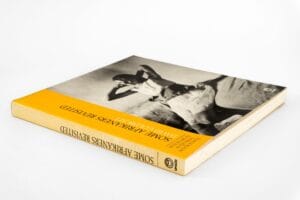
R1300The work of David Goldblatt – as recipient of the 2006 Hasselblad Foundation Award undoubtedly South Africa’s most prominent active photographer – reflects a life-long exploration of the relationship between individual South Africans and the society they live in. His first extended photographic essay was compiled in the 1960s. When it was finally published in 1975 as Some Afrikaners Photographed, the book created quite a stir locally. Eventually most of the small print-run had to be sold off for a song.
-

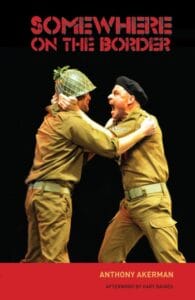
R150Somewhere on the Border was written in exile and was intercepted in the post and banned by the apartheid censors. This one-act version of the play brings the South African Border War back into public discourse and pierces through the armour of silence, secrecy and shame that still surrounds it.
-
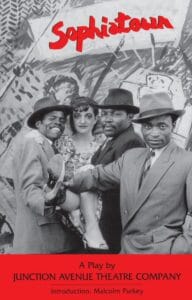
R250Sophiatown was the ‘Chicago of South Africa’, a vibrant community that produced not only gangsters and shebeen queens but leading journalists, writers, musicians and politicians, and gave urban African culture its rhythm and style. This play, based on the life history of Sophiatown, opened at the Market Theatre in Johannesburg in February 1986 to great acclaim. The play won the AA Life Vita Award for Playwright of the Year 1985/86. This new edition of the play includes an introduction which sets the work in its historical context.
-

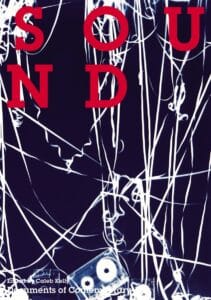
R425This volume is the first sourcebook to provide, through original critical writings and artists’ statements, a genealogy of sonic pathways into the arts; philosophical reflections on the meanings of noise and silence; dialogues between art and music; investigations of the role of listening and acoustic space; and a comprehensive survey of sound works by international artists from the avant-garde era to the present.