Showing 1825–1840 of 1985 results
-
 Out of stock
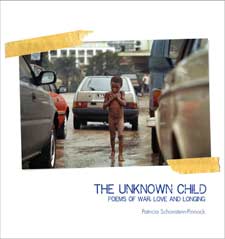
R195Children who are stripped of their innocence and forced to participate in civil and regional war are the true victims of human conflict. These child-soldiers, whose spirits are hobbled by combat, are cheated of their youth,
-

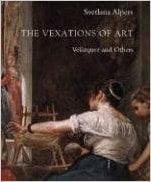
R300A major art historian reflects on a great tradition of European painting.
“The Vexations of Art is an engrossing, passionate attempt to re-engage with painting as a mode of thought at a time when ‘it is not clear in what form the resource of painting—for surely painting has been a singular resource of the greater European culture.
-

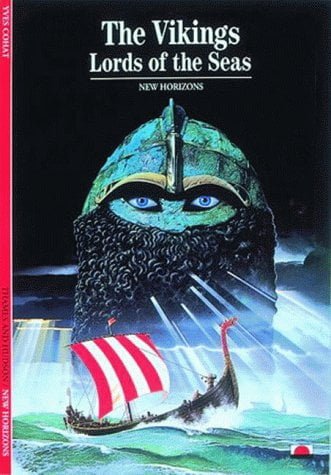
R120In their lifetime these lords of the seas terrified the world, causing 8th-century Europe to pray for deliverance.
-

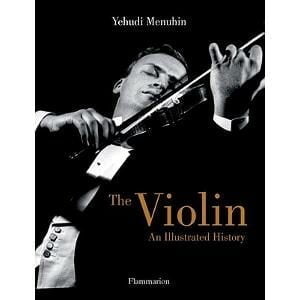
R225The Violin charts the journey of the violin from its origins in the bow and arrow through to the legendary Stradivarius.
-
 Out of stock
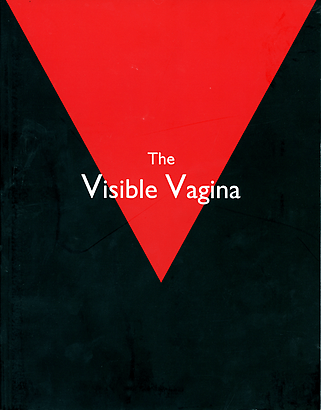
R360The Visible Vagina is a publication that reproduces works of art that were designed to make visible a portion of the female anatomy that is generally considered taboo too private and intimate for public display. If shown at all, this part of a woman’s body is usually presented in an abject fashion, generally within the context of pornography, intended, in almost all cases, for the exclusive pleasure of men.
-

R380An intimate narrative history of porcelain, structured around five journeys through landscapes where porcelain was dreamed about, fired, refined, collected, and coveted.
-

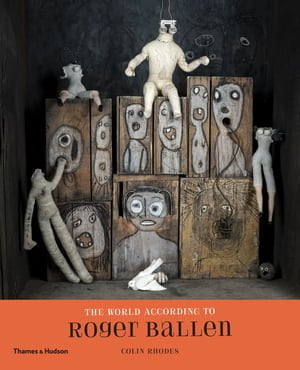
R940The World According to Roger Ballen, coauthored with Colin Rhodes, looks at Ballen’s career in the wider cultural context beyond photography, including his connections with and interest in art brut. It features photographs selected from across Ballen’s career, along with installations created exclusively for an exhibition at the Halle Saint Pierre, Paris, and examples of objects and works from Ballen’s own collection of art brut.
-

R750The World Goes Pop explores the contemporaneous engagements with a spirit of pop throughout the globe, concentrating not only on the relatively well-covered activity in the US, UK and France but also on developments throughout Central and Eastern Europe, Latin America, Asia, Africa and the Middle East.
-

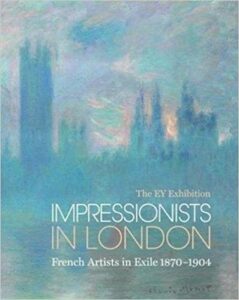
R770The EY Exhibition: Impressionists in London: French Artists in Exile charts the story of the French artists who took refuge in London during and after the devastating Franco-Prussian War and the Paris Commune. Following these traumatic events there was a creative flourishing in London as the exiles responded to British culture and social life regattas, processions, parks, and of course the Thames.
-

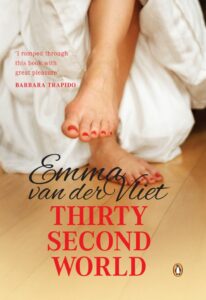
R250Alison seems to have life sorted…
-

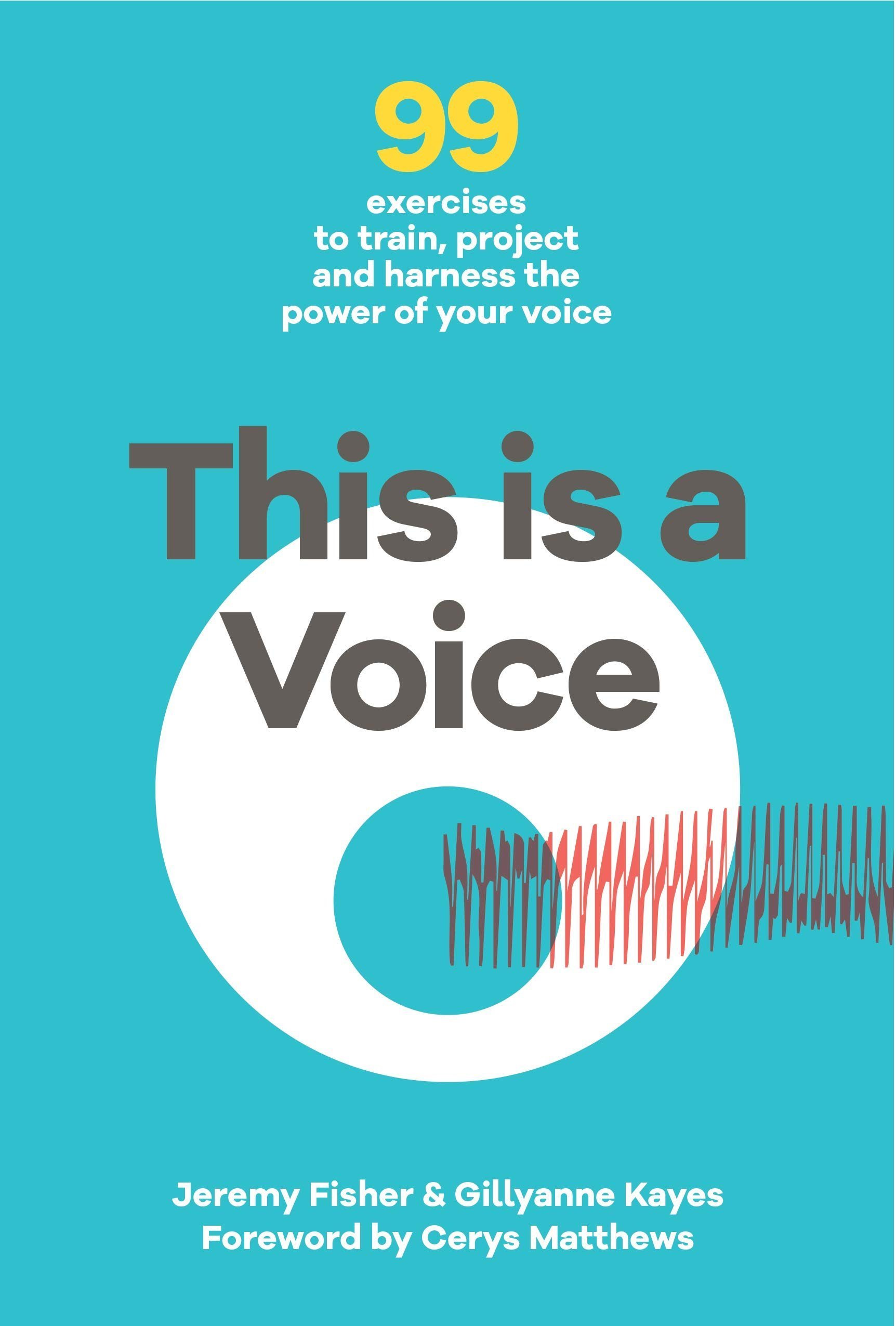
R330Whether you’re a member of a choir or a professional singer, preparing for a big presentation or planning a wedding speech, This is a Voice will ensure that you make yourself heard.
-
Sale!

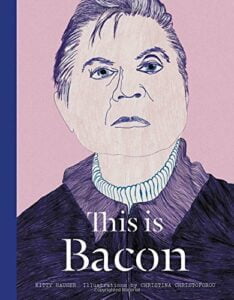
R220 Original price was: R220.R180Current price is: R180.Francis Bacon was one of the giants dominating the artistic landscape of the mid-twentieth century, and served as the inspiration and launching point for much of the figural and abstract art that came after him.
-
Sale!
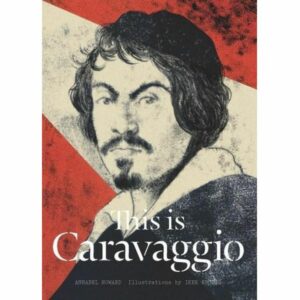
R220 Original price was: R220.R180Current price is: R180.He was famous throughout Italy for his fulminating temper, but also for his radical and sensitive humanization of biblical stories, and in particular his decision to include the brutal and dirty life of the street in his paintings. Caravaggio was a rebel and a violent man, but he eyed the world with deep empathy, realism, and an unrelenting honesty.
-
Sale!
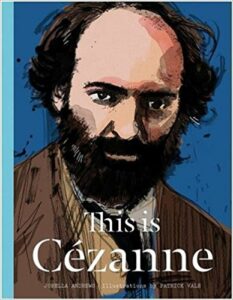
R220 Original price was: R220.R180Current price is: R180.Paul Cézanne challenged convention, and proposed new possibilities for modern art. He was remarkable for his ability to perceive and paint everyday places, people, and things in ways that revealed the multiplicity and beauty of vision, while also unveiling the deep, cohesive structures of the visible world.
-
Sale!

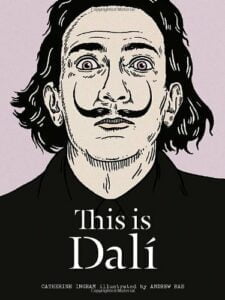
R220 Original price was: R220.R180Current price is: R180.Salvador Dali is one of the most popular artists in the world, known for his lavish lifestyle, gravity-defying mustache, and bizarre art. This book tells the story of Dali’s life and explores the meaning of his Surrealist paintings.
-
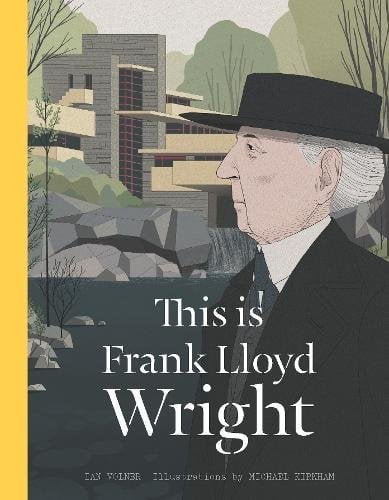
R220Frank Lloyd Wright wasn’t just an architect. He was a prophet, a poseur; a beloved teacher, a failed businessman. During his long, eventful life he experienced both incredible misfortune and great success.