

We Are Dandy – The Elegant Gentleman Around the World
R400From America to Africa to Asia, dandyism is a way of life. We are Dandy throws open the doors of the wardrobe and explores the dandy as a global phenomenon.

Showing 737–752 of 1985 results

From America to Africa to Asia, dandyism is a way of life. We are Dandy throws open the doors of the wardrobe and explores the dandy as a global phenomenon.
 Out of stock
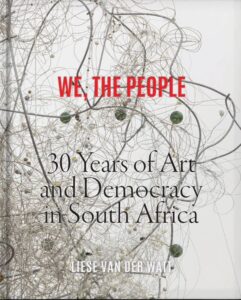
We, the People bring together 70 contemporary artists and over 100 works that actively engage, challenge, and reimagine our political life.
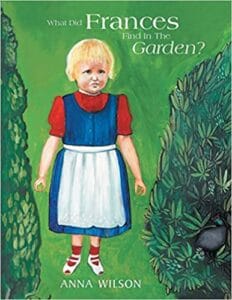
Frances and her puppy encounter some of the plants and creatures that can be found in a Cape Town garden. Cape Town, South Africa, is in the Western Cape – home of the Cape Floristic Region, which is a World Heritage Site, and the smallest of the six recognised floral kingdoms of the world.

Explore the world of artist Ruth Asawa in this lively, interactive lift-the-flap book for children ages 0–3. Ruth Asawa found inspiration everywhere—whether she looked to her children, her garden, or the warmth of her home, she believed that anything could become art.
 Out of stock
A catalogue published to accompany Sharlene Khan’s photography series of the same name.
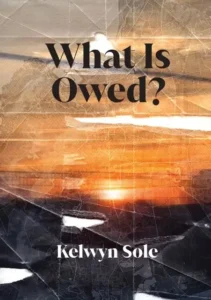
In this, his ninth poetry collection, Kelwyn Sole gives voice to a wide range of concerns, characteristically interweaving the personal with a wider social and political focus.

What Remains is a fusion of text, dance and movement to tell a story about the unexpected uncovering of a slave burial ground in Cape Town, the archaeological dig that follows and a city haunted by the memory of slavery. When the bones emerge from the ground, everyone in the city – slave descendants, archaeologists, citizens, property developers – is forced to reckon with a history sometimes remembered, sometimes forgotten.
 Out of stock
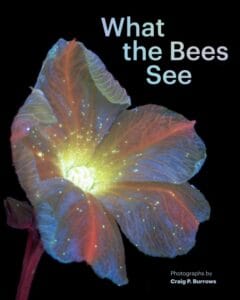
A comprehensive look into the amazing science of bees, this book collects mesmerizing ultraviolet-induced visible fluorescence (UVIVF) photography of flowers and nature and offers fascinating research that explores every aspect of our relationship with honeybees

The drawing which Kentridge produced for his anamorphotic animated film “What Will Come” becomes a space-related sculpture through the view in the mirrored cylinder.
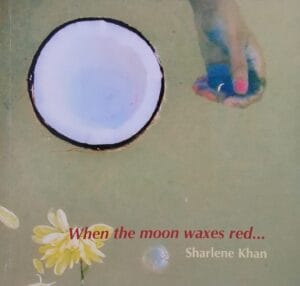
Published in 2019, When the moon waxes red: Negotiating Subjective Terrain as an ‘Inside-Outsider’, an ‘Outside-Insider’ accompanies the exhibition of the same name.
 Out of stock
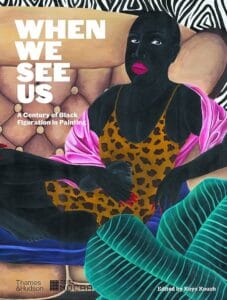
This landmark publication accompanies an international touring exhibition devoted to Black figuration in painting from the 1920s to now, featuring artists from Africa and the African diaspora.

Twelve pages of sweet pastel-coloured illustrations and clever rhymes are designed to capture children’s imaginations.


Twelve pages of sweet pastel-coloured illustrations and clever rhymes are designed to capture children’s imaginations.
 Out of stock
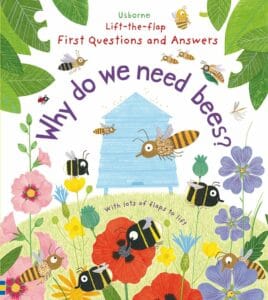
Why do we need bees? How do they make honey? And who’s who in a beehive? Children can find the answers to these questions and many more in this informative lift-the-flap book. With colourful illustrations, simple text and chunky flaps to lift, young children can discover lots of amazing facts about bees and why they need our help.
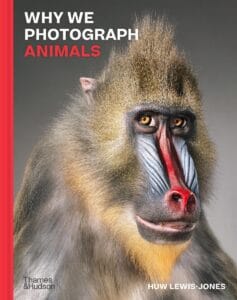
A visual overview of the history and future of animal photography, Why We Photograph Animals encourages us to think and rethink the way we have looked at – and used – animals and to consider our future relationships with non-human species.
No products in the basket.