Showing 33–48 of 101 results
-

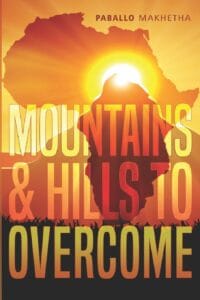
R250Paballo Makhetha’s book titled “Mountains and Hills to overcome” attempts to address social ills that have infiltrated communities; which, when not properly dealt with often affect and lead capable young people to sanitariums, jails, and even suicidal ends. She believes that the future is in the hands of the youth, who constitute over 40% of the total African population. The future can therefore not be left in the hands of wounded souls, who continue to experience or witness many kinds of abuse and trauma in their immediate environments. There exists a need to create platforms to talk about these challenges in the homes, classrooms and work places; to embrace them as part of our history, learn from them, and recreate a better future. She wishes that the book can be prescribed at middle to high schools to allow the youth to confront prevalent social challenges head-on, and make better decisions about their own future, and the future of their respective countries as prospective builders.
-

R150In this novel, the author tries to show the reader how the world’s ignorance on socio-cultural matters can result in most kinds of discrimination: gender, ethnic and religious.
-

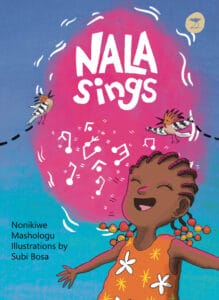
R130Singing was Nala’s favourite thing to do. Sadly, though, she was not allowed to sing while she was beside the river.
-
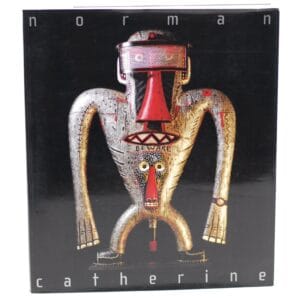
R950Foreword by David Bowie. Norman Catherine is considered to be at the forefront of South African contemporary art with his rough-edged comical and nightmarish forms rendered in brash cartoon colours; his idiosyncratic visions and his dark cynicism and exuberant humour.
-

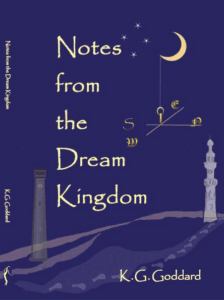
R160This poem began as a meditation on the experience of migration, loss of home, relocation and cross-cultural encounters. Ultimately, the poem became an exploration of what it means to find “home,” both physically and emotionally, personally and politically.
-
 Out of stock
R185Based on historical fact, it tells the poignant story of a little girl and her Ouma who experience removal from their suburb when it is proclaimed ‘white’ under apartheid’s Group Areas Act.
-

R400For the past decade, in an ongoing project titled The Lost Men, renowned artist Paul Emmanuel has challenged conventions around war memorials. He has questioned which soldiers are memorialised and which are erased, and the stereotypes around soldiers and masculinity. Featuring artworks from his three iterations of The Lost Men, Paul Emmanuel Men and Monuments highlights vulnerability, an aspect of masculinity so often denied by history and society.
-

R320“Let us, then, set off together on a series of journeys around South Africa with an old kitbag full of books instead of maps to guide us. Let us follow meandering paths through the landscapes of literature, and celebrate how local authors, characters and readers are shaped and inspired by place …”
-
 Out of stock
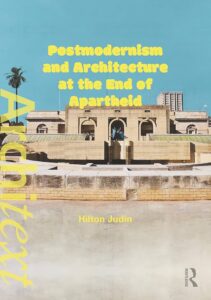
R1070Postmodernism and Architecture at the End of Apartheid expands on contemporary discourse in postmodernism and architectural theory, public culture, and urban spatial politics.
-

R170In this, his third collection of poetry, Solomons foregrounds portraits as well as memories of personal shifts, and reflections in the context of a broad national and global milieu ruptured, intermittently, by pandemics and political upheavals.
-
 Out of stock
R80UNISA Series of essays dealing with issues in English Studies in Southern Africa.
-

R300This unique text charts the critical social and legal debates and jurisprudential developments that took place during the rape law reform process from a comparative and international context. It also provides important insights into the engagement of civil society with law reform and includes thoughtful and contemporary discussions on the topics. It highlights the significance of rape law reform inclusion or exclusion at various stages in the process and discusses the strategic decisions made by gender activists and the context in which these decisions were made. The book also emphasises potential implementation challenges and considers how these might be addressed in terms of law and policy.
-

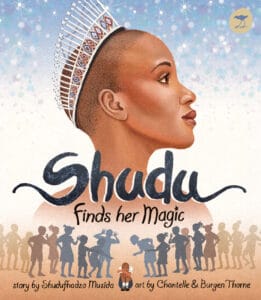
R100Read how Shudu overcomes her sadness and her challenges, and grows into a girl, and then an adult, who has learned to love herself!
-
 Out of stock
-
R1750This collection of 40 essays by Ashraf Jamal can be regarded as a companion to his previous book, In the World: Essays on Contemporary South African Art. Together, they form a single venture to celebrate and entrench the rich complexity of South African artists in a global imaginary.
-

R200Set in the past, present, and future, this progression of three tales holds a message that is relevant in each era. These thought-provoking stories pose questions focusing on the promotion of greed being endemic within each society and being accepted as the norm.