


Visuele Kunste Graad 11 Onderwysersgids
R250This comprehensive Teacher’s Guide has been approved by the DBE.

Showing 1905–1920 of 1985 results
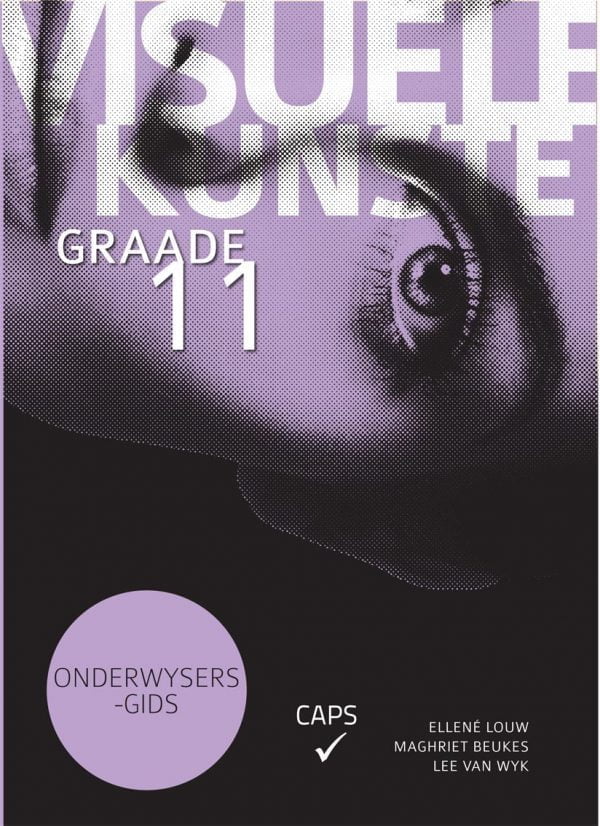
This comprehensive Teacher’s Guide has been approved by the DBE.
 Out of stock
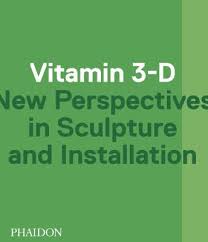
Vitamin 3-D: New Perspectives in Sculpture and Installation is an up-to-the-minute survey of current global developments in contemporary sculpture and its close relative, installation. This vast medium of sculpture continues to be a central pillar of artistic practice, and Vitamin 3-D presents the outstanding artists who are engaging with and pushing the boundaries of the medium.

Vito Acconci (b.1940) is a key late twentieth-century pioneer of performance, video, installation and the exploration of architectural space. His work has expanded art’s boundaries, moving beyond the gallery or museum into shared public spaces. Initially a poet, Acconci began making Conceptual art and Body art in the late 1960s. He devised actions, enacted them and documented them with texts, photographs or video.
 Out of stock
Sketches shows Polaroids made in Africa between 2002 and 2010. This book could be an explanation or a introducion to the previous Flamboya book and project but in fact Sketches is a small and magic book on its own, showing the beautiful universe of Viviane Sassen’s photography.
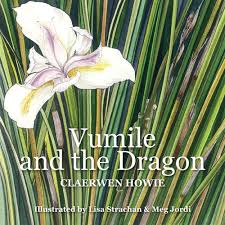 Out of stock
Will Morris, Granny Ada’s black cat show Katie something magical? When Joe and Katie arrive to stay on their granny’s farm during the September holidays something unexpected happens.

exhibition catalogue of Vusi Khumalo’s solo show at Portland Gallery, London, in 2007
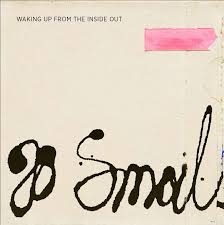
exhibition catalogue for Jo Smail’s solo show at Goya Contemporary, Baltimore, USA, in 2009
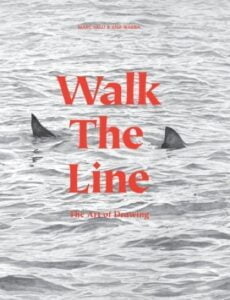 Out of stock
Drawing has always been a fundamental skill and good drawing skills allowed artists to grasp the reality around them. At the turn of the millennium, however, the general impression was that with the wide availability of computers, scanners, digital cameras and image software, drawing would dwindle into a marginal activity.
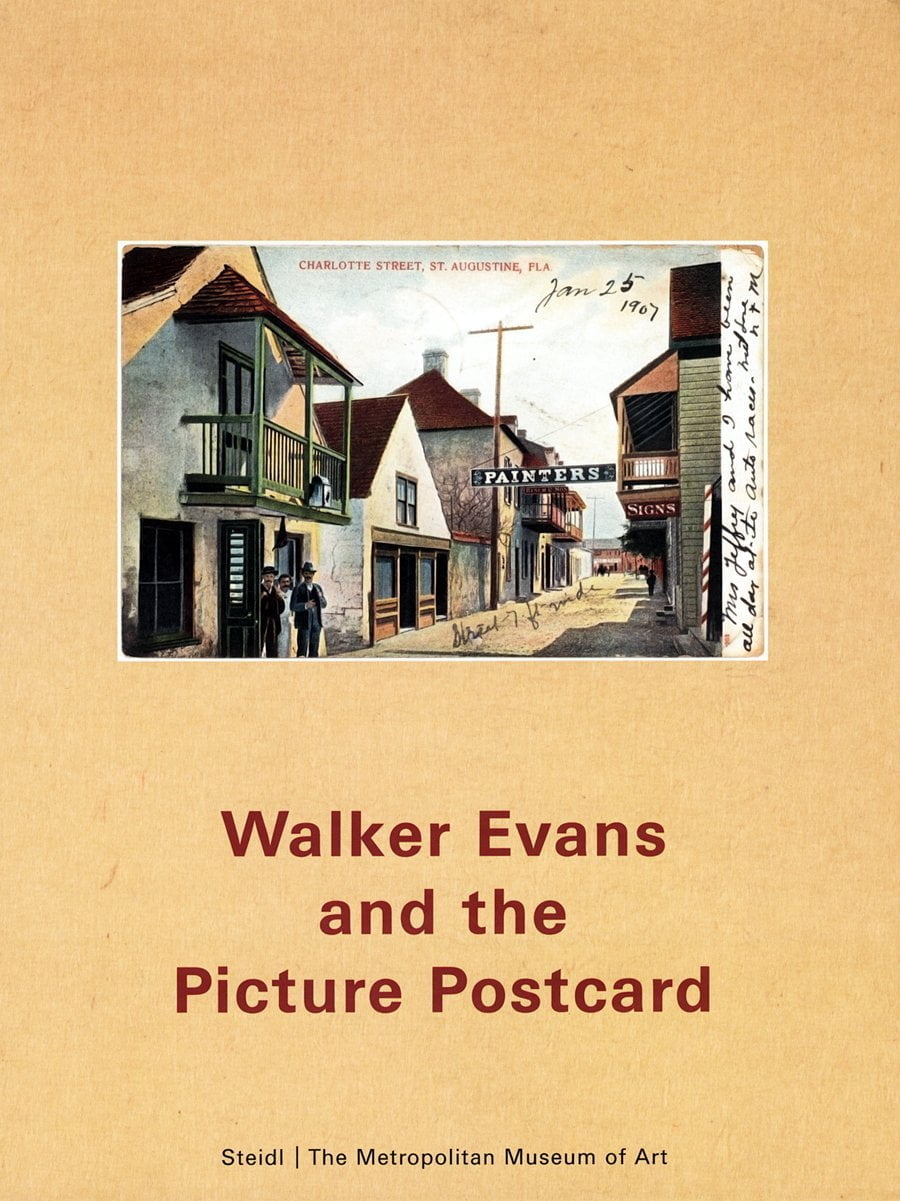
Walker Evans and the Picture Postcard focuses on a collection of 9,000 picture postcards amassed by the American photographer Walker Evans (1903-1975) that are now part of Walker Evans Archive at The Metropolitan Museum of Art.
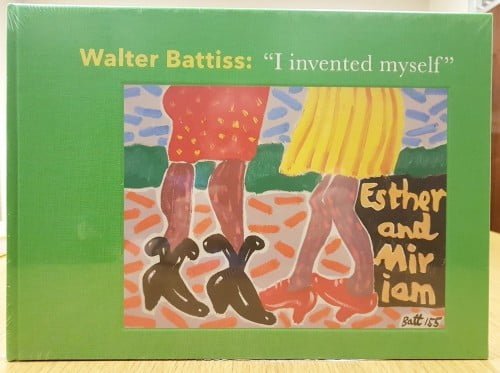 Out of stock
This text is available in yellow, green and red. It is not available in purple (pictured), nor blue.
The exhibition titled I Invented Myself consisted of works privately owned by well-known art collector and philanthropist Jack Ginsberg, who has over many years assembled an astonishing collection that includes more than 700 artworks, books, and collectibles by South African artist Walter Battiss, including some works which have never been on display in public before.
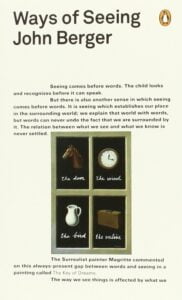
John Berger’s Ways of Seeing is one of the most stimulating and influential books on art in any language.

The collection includes works by the young student leaders turned academic and public commentators such as David Maimela, Thapelo Tselapedi and Sisonke Msimang; student newspaper journalists that were covering the protests like Natasha Ndlebe; public writing commentators with aims to inform and teach the broader South African society about the aspects of the movement like Yamkela Spengane and Rofhiwa Maneta; lecturers who were assisting the students articulate and find clarity in the way they shaped and voiced their ideas such as Sabelo Ndlovu-Gatsheni and then of course others were foot soldiers on the ground leading students through the police brutality of rubber bullets and pepper spray like Mcebo Dlamini, Loverlyn Nwandeyi, Ntokozo Qwabe and Ramabina Mahapa.

In this international companion work to ‘Black Sacrifice: The Sinking of the SS Mendi, 1917’, historians John Gribble and Graham Scott draw upon the archaeological research carried out since the wreckage was discovered in 1976. The authors offer a different insight into the part played by the non-combatants of the Labour Corps and why the wreck of a British built steamship has become an internationally recognised symbol of equality and social justice.
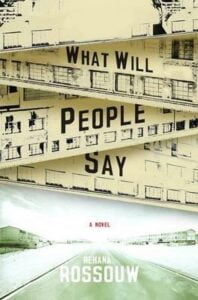
In What Will People Say?, a rich variety of township characters—the preachers, the teachers, the gangsters and the defeated—come to life in vivid language as they eke out their lives in the shadows of gray concrete blocks of flats.

Today it is common knowledge that the dinosaurs were wiped out by a meteorite impact 65 million years ago that killed half of all species then living. It is far less widely understood that a much greater catastrophe took place at the end of the Permian period 251 million years ago: at least ninety percent of life on earth was destroyed.
No products in the basket.