Remarkable South Africans
R300Remarkable South Africans is a book that sings the song of unsung heroes and heroines.
It tells of South Africans who take it upon themselves to work for a better future for the country – the custodians of ubuntu.

Showing 1569–1584 of 1985 results
Remarkable South Africans is a book that sings the song of unsung heroes and heroines.
It tells of South Africans who take it upon themselves to work for a better future for the country – the custodians of ubuntu.
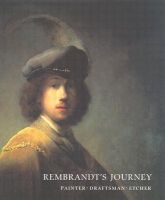
The first comprehensive survey of Rembrandt in years concentrates on his talent for visual storytelling, via paintings, prints, and drawings. Rembrandt changed the course of art history not only as a painter but also as a draftsman and printmaker. His output of some 300 etchings and drypoints represents a lifelong commitment to printmaking unequaled by…
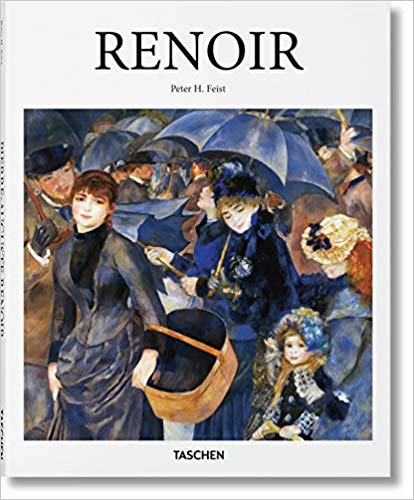
One of the leading lights of the Impressionist movement, Pierre-Auguste Renoir (1841–1919) remains a towering figure in art history with enduring public appeal. Sun-kissed, charming, and sensual, his work shows painting at its most lighthearted and luminous, while championing the plein air and color innovations of his time.
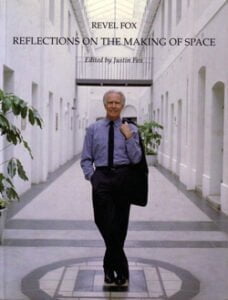
This text is a catalogue of the works exhibited at the time of the Sophia Gray Memorial Lecture given by Revel Fox in Bloemfontein in August 1997, and subsequently at the South African National Gallery in Cape Town in May 1998.
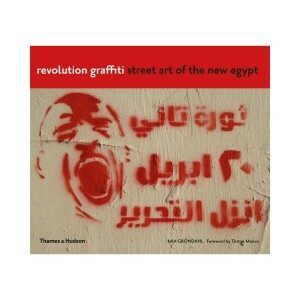
The Egyptian Revolution that began on 25 January 2011 immediately gave rise to a wave of popular political and social expression in the form of graffiti and street art, phenomena that were almost unknown in the country under the old regime.
From 2013 to 2016, Revolution Room explored participatory art practice in Johannesburg (South Africa), Lubumbashi, Moba and Fungurume (Democratic Republic of Congo).
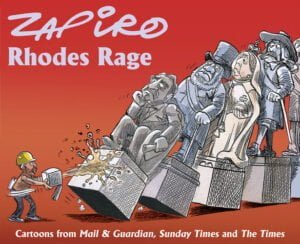
Zapiro skewers another momentous year including the drama over Rhodes and other statues, # Nkandla Pay Back the Money, spy cables, NPA shenanigans, Eskom and parastatal paralysis, union disunity, Charlie Hebdo, xenophobia, Juju’s boiler suit brigade, Godzille’s successor, cockroaches, Verwoerd’s ghost and other political creatures.
Expert Nicholas Tromans provides incredible insight on this great artist’s life – to listen to a few of them, click here.
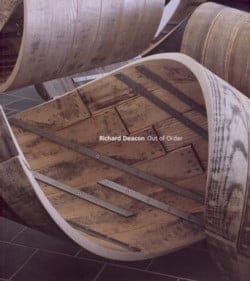
Published to accompany the exhibition Richard Deacon Out of Order 14 May 2005-25 September 2005.
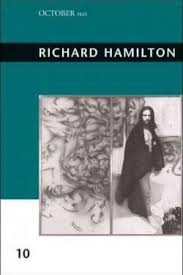
Still little-known in the United States, Richard Hamilton is a key figure in twentieth-century art. An original member of the legendary Independent Group in London in the 1950s, Hamilton organized or participated in groundbreaking exhibitions associated with the group—in particular This Is Tomorrow (1956), for which his celebrated collage Just what is it that makes today’s homes so different, so appealing? Crystallizing the postwar world of consumer capitalism, was made.
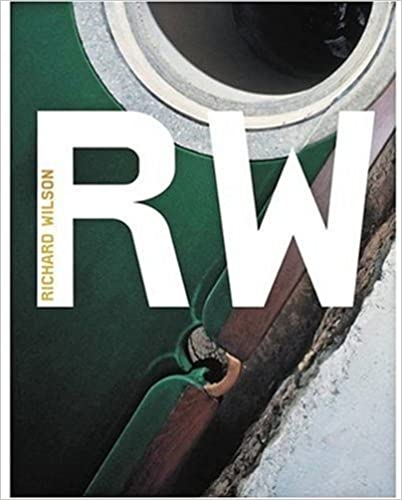
Born in London in 1953 to a family of builders and artists, Richard Wilson creates works that often come closer to engineering or even architecture than to traditional sculpture. Typically he transforms the viewer’s environment into something unsettling and strange through interventions that not only alter the physical space but also interfere with our perception of it.
The work of Richard Wilson (b.1953) often comes closer to engineering or even architecture than it does to traditional sculpture. Typically he transforms the viewer’s environment into something unsettling and strange by the interventions he makes, whether in the internal space of a gallery, the structure of a building or in one of the ships with which he has a particular affinity.
Perhaps Wilson’s best-known work is 20:50 for which he flooded a gallery space with
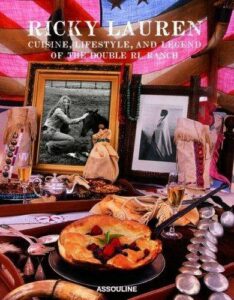
Inspired by the colors, flavors, and life at her Colorado ranch, Ricky Lauren presents an epic and unprecedented tribute to the West, as both a great destination and a state of mind.
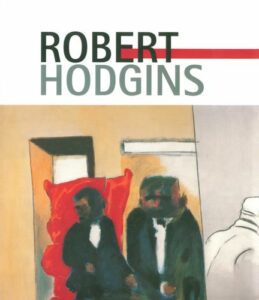
“Slowly, all these beautiful, plump, female nudes became cumbrous and all the handsome male nudes became heavy and distorted. I may have been quietly changing or I may have been finding what I really wanted to do.” Robert Hodgins
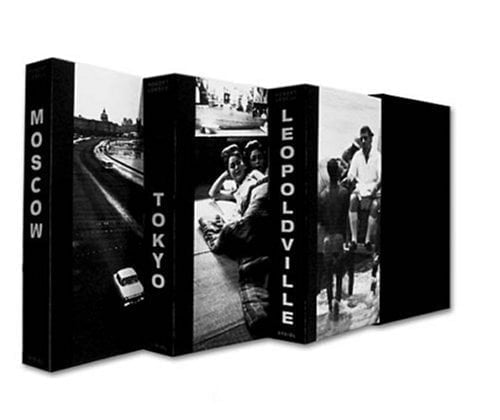
Three Book Set
Photographer Robert Lebeck was interested not only in “the event” in and of itself, but also in the stories on the fringes and the people behind the images. Lebeck was frequently to be found in that elusive terrain most photographers dream of: the right place at the right time.
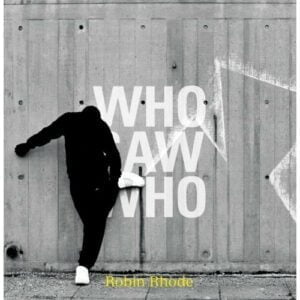
Robin Rhode’s art uses the barest of means to comment on urban poverty, the politics of leisure and the commodification of youth culture. The artist has a reputation for brilliantly inventive performances, photography and video animation in which drawing plays a crucial role. In his works, which are often created on the street, Rhode interacts…
No products in the basket.