Showing 193–208 of 353 results
-

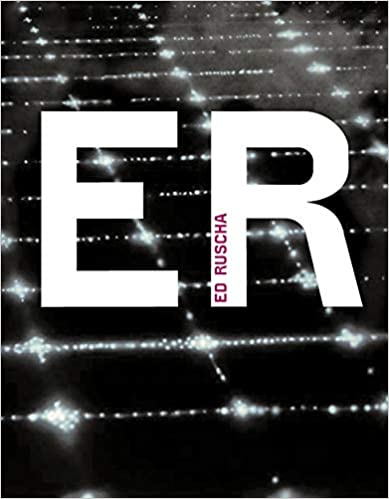
R200American artist Ed Ruscha (b. 1937) is a master of creating art that is at once playful and profound. Ruscha’s inimitable work frequently involves the setting of a single word or phrase against a stained background or monumental landscape. His paintings, prints, drawings, photographs, books, and films were influential in the development of Pop Art, and his stunning artist’s books continue to inspire up-and-coming artists today.
-

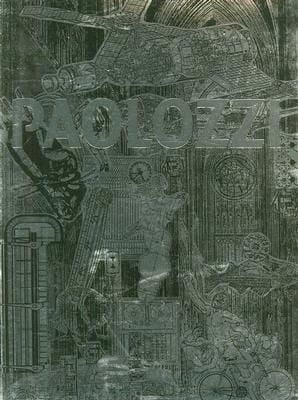
R250Eduardo Paolozzi is a major figure in postwar British art: a father of Pop Art, a creator of key icons of the nuclear age, a brilliant manipulator of the images produced by the media, an iconoclast and traditionalist, an outsider and academician.
-

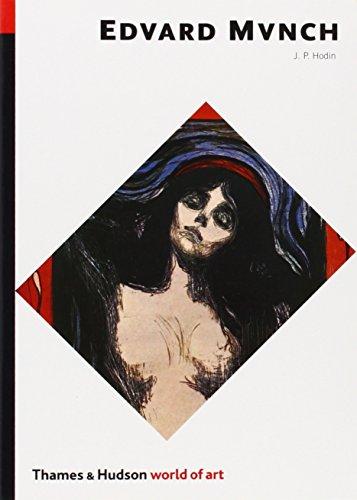
R205Long before the first theories of psychoanalysis were formulated, Edvard Munch (1863-1944) became the pioneer of an art which discovered and depicted the inner conflicts of modern man.
-

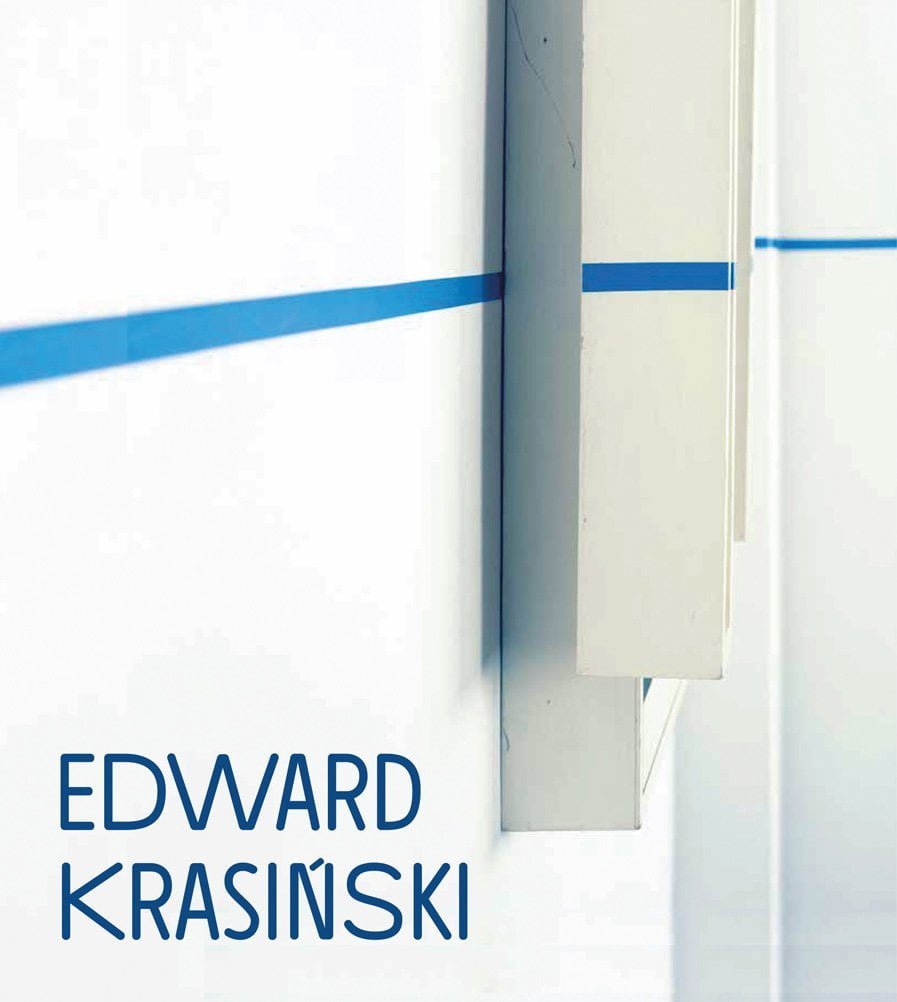
R400Sculptor, painter, author of spatial forms, artistic installations, and happenings, Edward Krasinski (1925–2004) was one of the most important protagonists of the Polish neo avant-garde in the 1960s and ’70s. This richly illustrated book investigates the development of Krasinski’s unique formal language, showcasing works spanning more than 50 years of his remarkable career.
-
R400Over the past few years, through photographs, films and sculpture, as well as interventions in the gallery space, Lassry has developed a reputation for the wit and rigour of his investigations into how we perceive and conceive pictures. In Hong Kong, Lassry presented a varied body of work, including pictures, sculptures and a drawing, as well as perversely hybrid objects that radically question the distinction between these media.
-

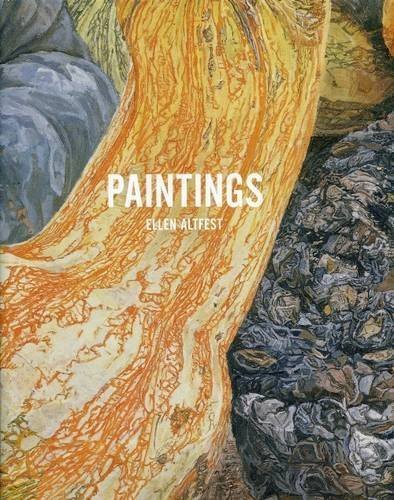
R320Ellen Altfest is well known as an artist for her painstakingly labor-intensive canvases that look at things in the world.
-

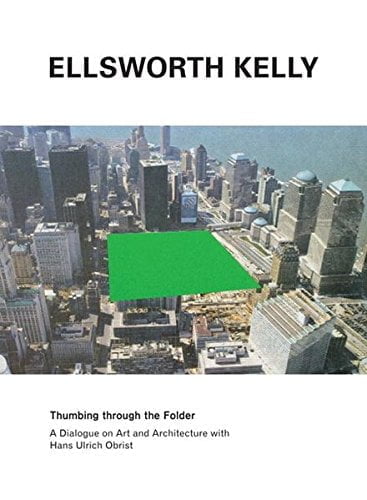
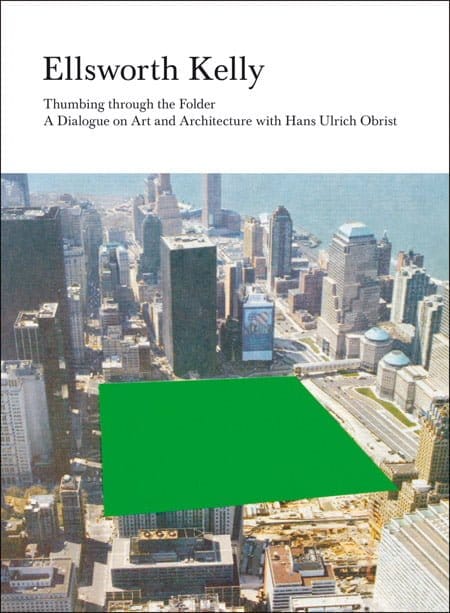
R300A Dialogue on Art and Architecture with Hans Ulrich Orbst

In this Dialogue on Art and Architecture, Ellsworth Kelly (born 1923) reminisces with Hans Ulrich Obrist about his early career, his teachers (Max Beckmann, Brancusi, Leger and Vantongerloo) and particularly on the relation of his work to architecture: “architects are usually the first people who understand my work,” he tells Obrist here, while describing his many collaborations in this field.
-
 Out of stock
R3000These extremely rare prints, most of them made by Cole himself and most never previously exhibited, form the core of this exhibion and book. This book tells the story of Ernest Cole’s life, both in his own words and through the reminiscences and writings of those people who knew him personally and professionally.
-

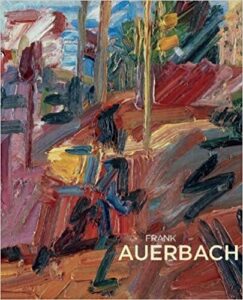
R550Frank Auerbach (b.1931, Berlin) has made some of the most resonant, inventive and perpetually alive paintings, both of people and of the urban landscapes near his studio in Camden Town, London. His intentions have been consistent: ‘What I wanted to do was to record the life that seemed to me to be passionate and exciting and disappearing all the time.
-

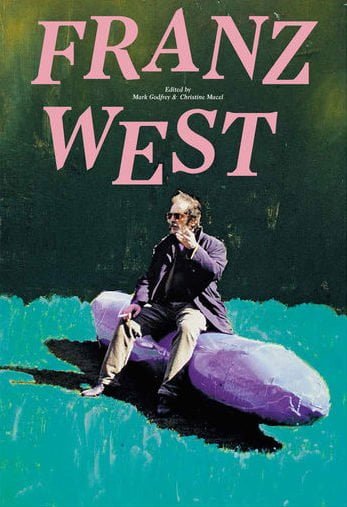
R600An anarchic free spirit, self-taught until the age of thirty, Franz West (1947–2012) remained in the shadows of the Viennese art scene for nearly fifteen years before becoming known in the international art world in the 1980s.
-

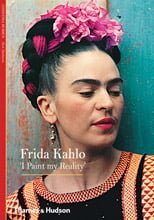
R180This book traces the extraordinary life of an artist whose unforgettable imagery combined cruelty and wit, honesty and insolence, pain and empowerment.
-

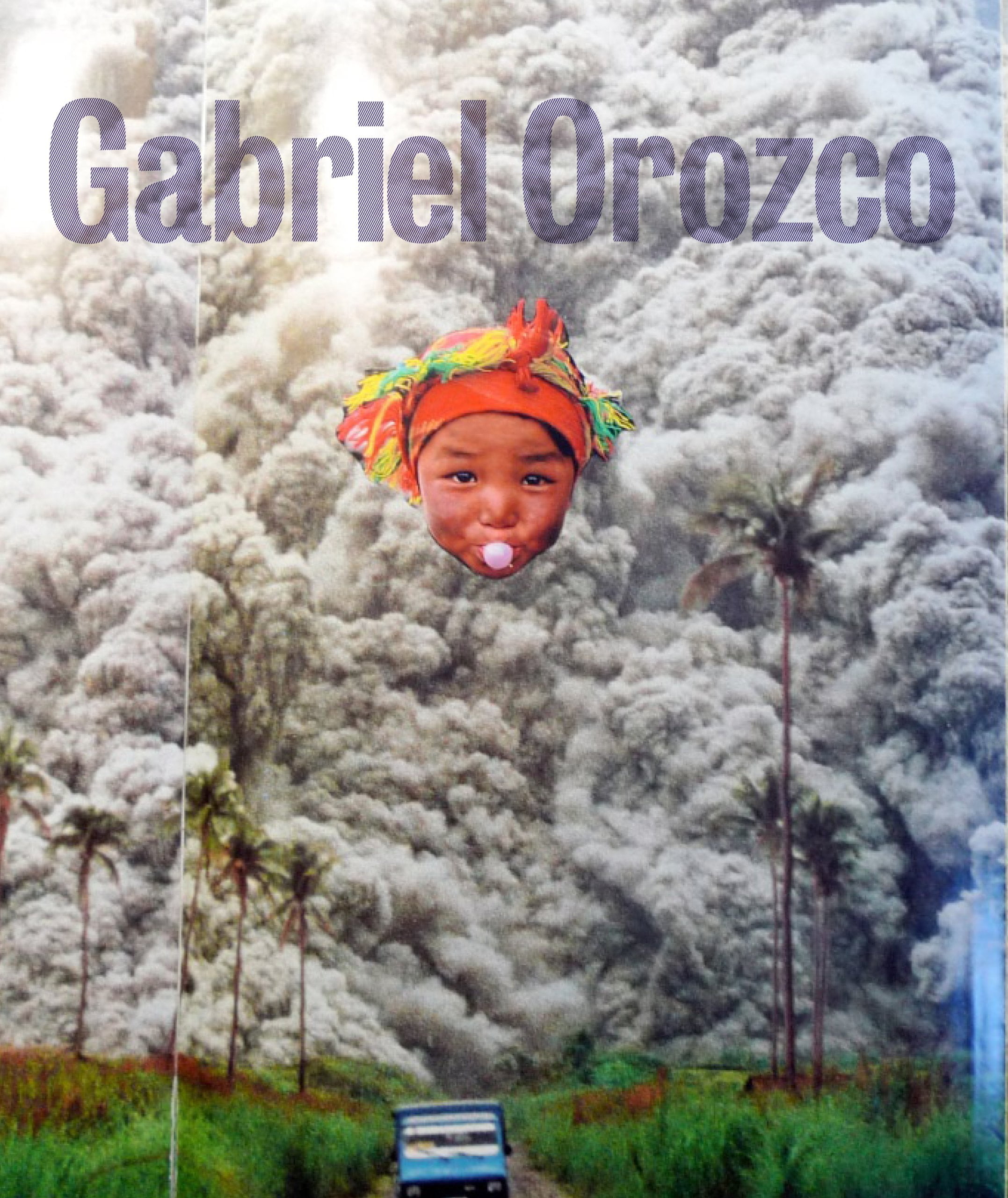
Gabriel Orozco was born in Veracruz in Mexico in 1962. Since the early 1990s, his career has been characterised by constant surprise and innovation. He roams freely and fluently between drawing, photography, sculpture, installation and painting, creating a body of work that resists categorisation. Ranging from subtle interventions in the landscape to meticulously executed sculptures…
-

R150Gabriel Orozco, born in Mexico, in 1962, is one of the most influential artists of his generation. Dividing his time between Mexico City, Paris and New York, his constant travelling has been as much a part of his artistic practice as a lifestyle. His works, often playful and characterised by an ironic humour, range from…
-

R330Catalog bound in stiff wraps titled GARY HUME:American Tan (Gloss, Charcoal, Bronze, Marble). Published by White Cube, London to accompany the Exhibition Gary Hume:American Tan, 5 September – 6 October 2007.
-
R115Nancy Ireson is the Schroder Foundation Curator of Painting at the Courtauld Gallery, and specialises in French art of the late nineteenth and early twentieth centuries.
-
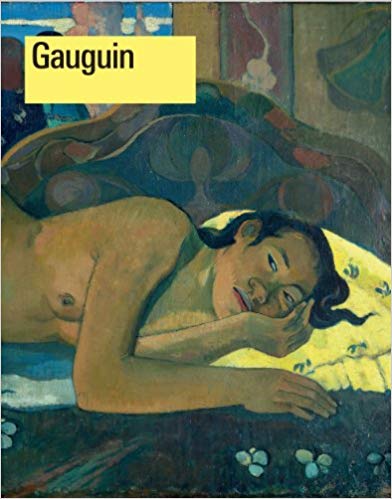
R300French painter, sculptor and printmaker Paul Gauguin was born in Paris in 1848 and died in French Polynesia in 1903. The vivid, unnaturalistic colors and bold outlines of his paintings and the strong, semi-abstract quality of his woodcuts had a profound effect on the development of twentieth-century art. But while modern art largely shunned narrative, for Gauguin it remained central.