Showing 161–166 of 166 results
-

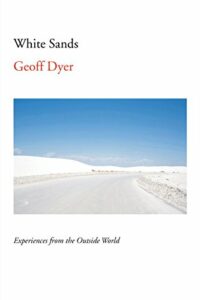
R400Weaving stories about places to which he has recently traveled with images and memories that have persisted since childhood, Dyer tries “to work out what a certain place—a certain way of marking the landscape—means; what it’s trying to tell us; what we go to it for.”
-

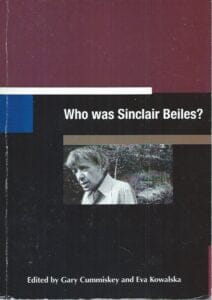
R160Beiles is probably most famous for helping Burroughs get Naked Lunchpublished at Olympia through Girodias, at a time when Burroughs was really strung out on paregoric and/or heroin. His most famous work in print is probably as one of the four contributors (Beiles, Burroughs, Corso & Gysin) of the now legendary cut-up compilation, Minutes to Go, published in 1960.
-

R150South African scriptwriter Paul Waterson is in Kenya to carry out research for a documentary film. It’s October 2001, and his relationship has come to an unexpected end.
-
R160Wendy Lesser’s extraordinary alertness, intelligence, and curiosity have made her one of America’s most significant cultural critics,” writes Stephen Greenblatt. In Why I Read, Lesser draws on a lifetime of pleasure reading and decades of editing one of the most distinguished literary magazines in the country, The Threepenny Review, to describe her love of literature.
-

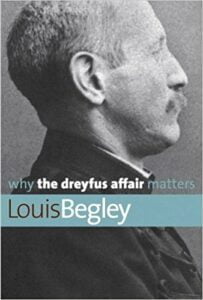
R180In December 1894, Captain Alfred Dreyfus, a brilliant French artillery officer and a Jew of Alsatian descent, was court-martialed for selling secrets to the German military attaché in Paris based on perjured testimony and trumped-up evidence.
-

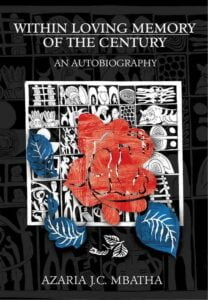
R260Azaria Mbatha is one of South Africa’s most important contemporary artists in the last century. This autobiography is rooted in the traditional Zulu heritage of his childhood and the tenets of Christianity imparted by his father. Mbatha weaves his own history into the history of his family, into the history of South Africa and into the history of his time, as he experienced it.