Showing 113–128 of 166 results
-

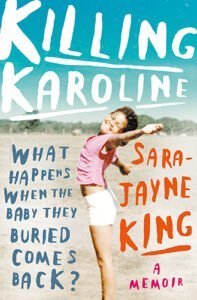
R100Killing Karoline follows the journey of the baby girl (categorised as ‘white’ under South Africa’s race classification system) who is raised in a leafy, middle-class corner of the South of England by a white couple. It takes the reader through the formative years, a difficult adolescence and into adulthood, as Sara-Jayne (Karoline) seeks to discover who she is and where she came from.
-

R300November 1925 found David and Frieda Lawrence on the Italian Riviera, looking for sun, sea air, and health. The Lawrences were exhilarated by life in their rented villa, set amid olive groves and vineyards, with a view of the sparkling Mediterranean. The drab English winter couldn’t have been farther away.
-
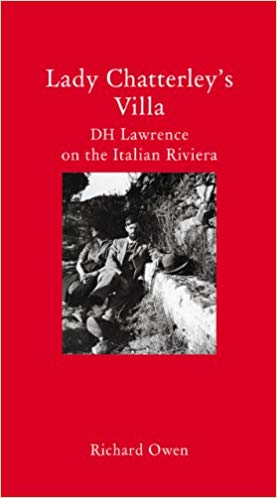
R300November 1925 found David and Frieda Lawrence on the Italian Riviera, looking for sun, sea air, and health. The Lawrences were exhilarated by life in their rented villa, set amid olive groves and vineyards, with a view of the sparkling Mediterranean. The drab English winter couldn’t have been farther away.
But before long Frieda found herself irresistibly attracted to their landlord, a dashing Italian army officer, and the resulting affair served as the background for Lawrence’s writing: while in the villa, he turned out two stories, “Sun” and “The Virgin and the Gypsy,” both prefiguring Lady Chatterley’s Lover in their depiction of women fatally drawn to earthy, muscular men.
-

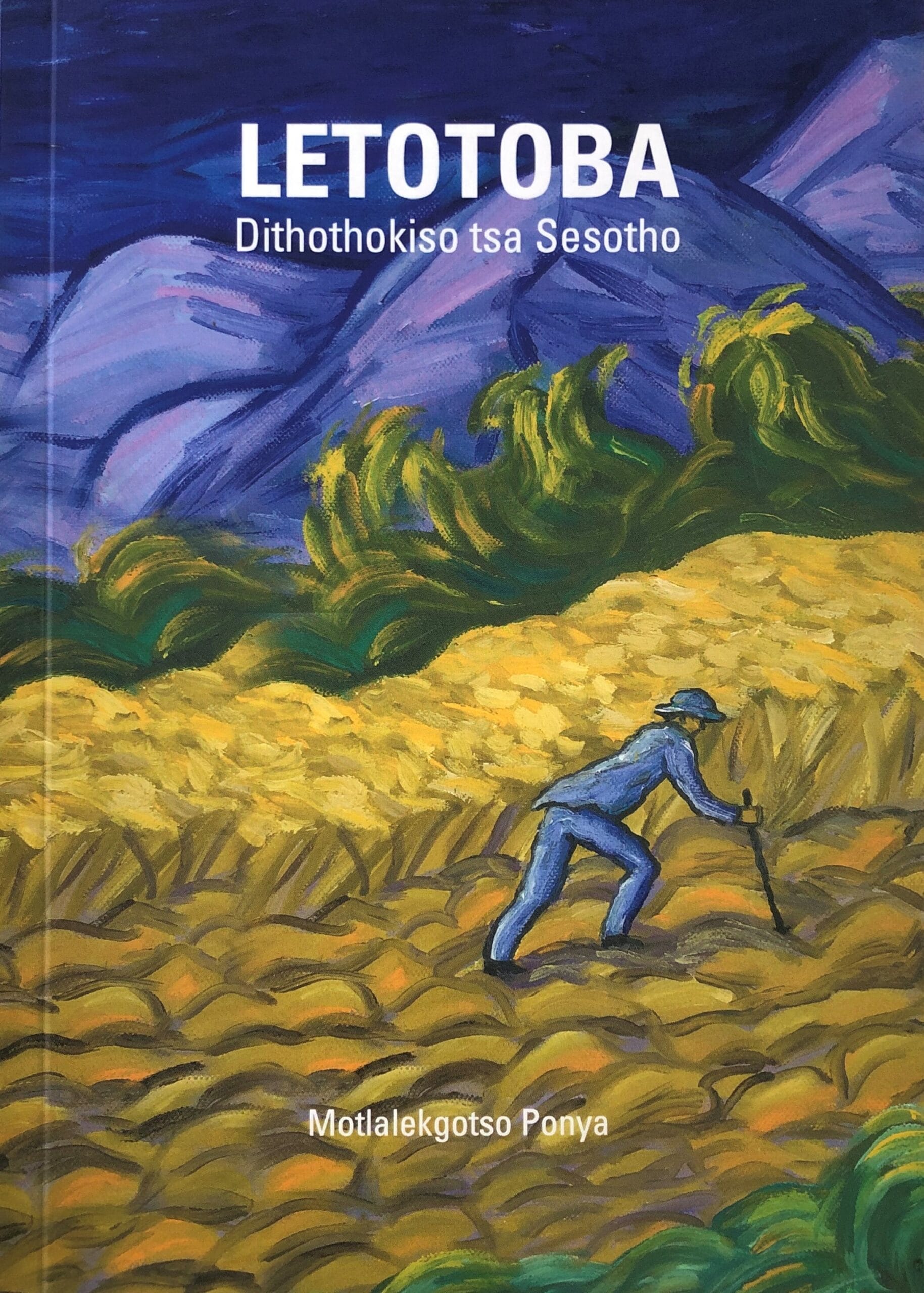
R140Letotoba is a collection of 33 new poems that focuses on different themes namely; spiritual, relationships (love), politics, youth (June 16), inspiration and motivation.
-

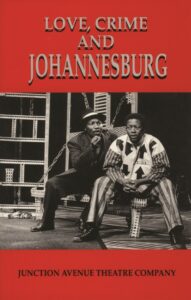
R250‘Why bother to rob a bank, when you can own a bank?’ asked Bertold Brecht. The question is reiterated in the very Brechtian Love, Crime and Johannesburg, the story of Jimmy ‘Long Legs’ Mangane and the trouble he gets into in the new South Africa. Jimmy, a people’s poet involved in the struggle, is accused of robbing a bank. He passionately asserts his innocence, claiming to work for the ‘secret secret service’.
-

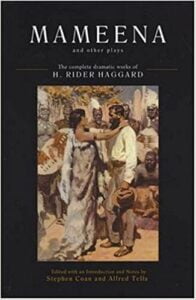
R365H. Rider Haggard, best known as the author of King Solomon’s Mines, She, and Allan Quatermain, also wrote three full-length plays. The play Mameena, based on Haggard’s novel Child of Storm, is set in Zululand during the 1850s and deals with the struggle for the succession to the Zulu throne.
-

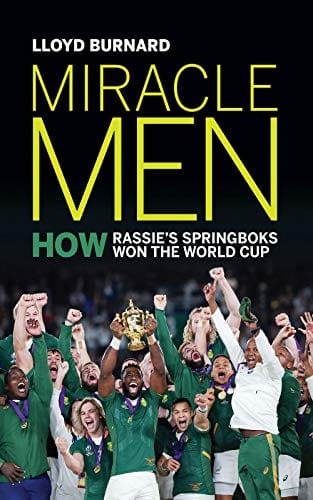
R290Sportswriter Lloyd Burnard takes the reader on the thrilling journey of a team that went from no-hopers to world champions. He examines how exactly this turnaround was achieved. Interviews with players, coaches and support staff reveal how the principles of inclusion, openness and focus, as well as careful planning and superb physical conditioning, became the basis for a winning formula. The key roles played by Rassie Erasmus and Siya Kolisi shine through.
-
 Out of stock
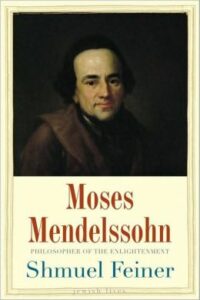
R300The German Socrates, Moses Mendelssohn (died 1786) was the most influential Jewish thinker of the eighteenth and nineteenth centuries. A Berlin celebrity and a major figure in the Enlightenment, revered by Immanuel Kant, Mendelssohn suffered the indignities common to Jews of his time while formulating the philosophical foundations of a modern Judaism suited for a new age
-
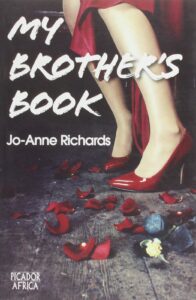
R160My Brother’s Book’ tells the story of betrayal and atonement that spans the lives of two siblings from their nomadic childhood in the Eastern Cape in the 1960s, to their adulthood in 2004 in Johannesburg.
-
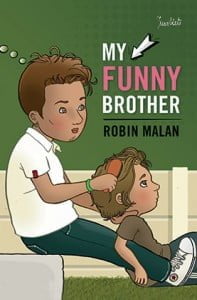
R100My Funny Brother is that rare thing in South African literature: a teen novel for all ages. It’s rare in another respect: it’s a novel for all teens in which a couple of the characters happen to be gay. Author and publisher Robin Malan says that the book is not only intended for gay teens…
-

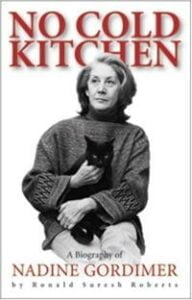
R600Eight years in the making, this book charts Nadine Gordimer’s life and work, providing a vibrant portrait of the country in which Gordimer lives, the history she lived through, and the people around her people in South Africa, such as Nelson Mandela, George Bizos, Es’kia Mphahlele, Bram Fischer, Nat Nakasa, Desmond Tutu and Alan Paton; and people abroad, including Susan Sontag, Salman Rushdie, Anthony Sampson, Edward Said, Amos Oz, Harry Levin and New Yorker editor, Katherine White.
-

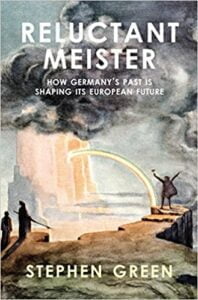
R300The Euro crisis has served as a stark reminder of the fundamental importance of Germany to the larger European project. But the image of Germany as the dominant power in Europe is at odds with much of its recent history.
-

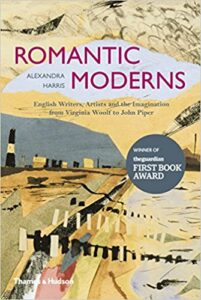
R300In the 1930s and 1940s, while the battles for modern art and modern society were being fought in Paris and Spain, it seemed to some a betrayal that John Betjeman and John Piper were in love with a provincial world of old churches and tea shops.
-

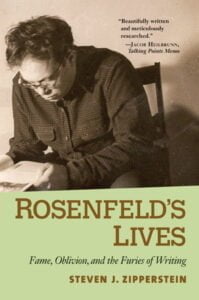
R200Fame, Oblivion and the Fury of Writing Born in Chicago in 1918, the prodigiously gifted and erudite Isaac Rosenfeld was anointed a genius upon the publication of his luminescent novel, Passage from Home and was expected to surpass even his closest friend and rival, Saul Bellow. Yet when felled by a heart attack at the…
-

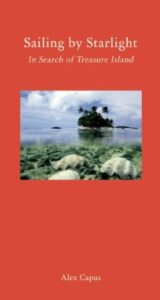
R230Capus takes us on an exploratory journey via the loss of a Spanish vessel laden with gold and jewels in the South Seas, the burial of treasure, an ancient map, and a long and dangerous voyage across the Pacific, to prove that Robert Louis Stevenson’s “treasure island” actually exists; and that it exists in a place quite different from where hordes of treasure-hunters have been seeking it for generations.
-
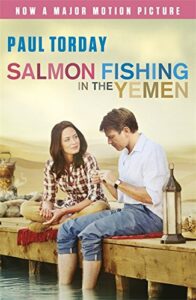
R150Warmly recommended to anyone searching for a feelgood comedy with surprising bite. – Sunday Telegraph