Mošemane wa Modiša (Written in Sepidi)
R100This beautiful picture book is about a boy who dares to dream of a big future. It is a story of empowerment, self-belief and leadership, and is inspired by the life of former president Nelson Mandela.

Showing 113–128 of 569 results
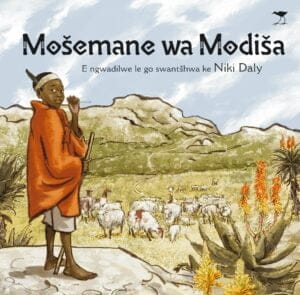
This beautiful picture book is about a boy who dares to dream of a big future. It is a story of empowerment, self-belief and leadership, and is inspired by the life of former president Nelson Mandela.
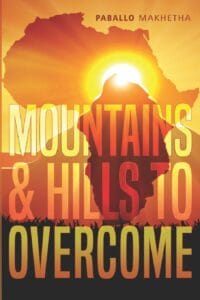
Paballo Makhetha’s book titled “Mountains and Hills to overcome” attempts to address social ills that have infiltrated communities; which, when not properly dealt with often affect and lead capable young people to sanitariums, jails, and even suicidal ends. She believes that the future is in the hands of the youth, who constitute over 40% of the total African population. The future can therefore not be left in the hands of wounded souls, who continue to experience or witness many kinds of abuse and trauma in their immediate environments. There exists a need to create platforms to talk about these challenges in the homes, classrooms and work places; to embrace them as part of our history, learn from them, and recreate a better future. She wishes that the book can be prescribed at middle to high schools to allow the youth to confront prevalent social challenges head-on, and make better decisions about their own future, and the future of their respective countries as prospective builders.
 Out of stock
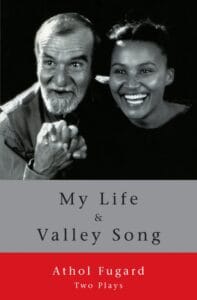
My Life is based on the diaries of five South African girls who were growing into womanhood in 1994. The perspective of each young woman on her country and her people is conveyed with a mixture of naivety, exuberance, warmth and humour. A small Karoo town provides the setting for Valley Song, which explores the theme of youth in search of itself, and provides a lyrical metaphor for the new South Africa in which it was set, and has been termed one of Fugard’s most endearing plays.

In this novel, the author tries to show the reader how the world’s ignorance on socio-cultural matters can result in most kinds of discrimination: gender, ethnic and religious.
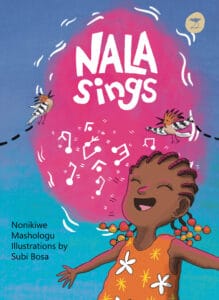
Singing was Nala’s favourite thing to do. Sadly, though, she was not allowed to sing while she was beside the river.
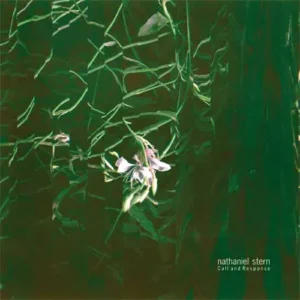
Call and Response is a solo exhibition of Compressionist prints, both digital and traditional, performatively produced with Lightworks Studios and at the David Krut Print Workshop, in Johannesburg, South Africa.
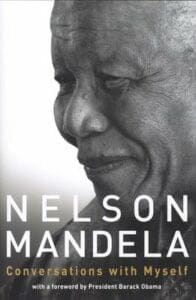
Nelson Mandela is one of the most inspiring and iconic figures of our age. Now, after a lifetime of taking pen to paper to record thoughts and events, hardships and victories, he has opened his personal archive, which offers an unprecedented insight into his remarkable life.
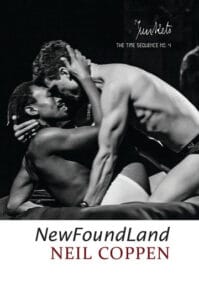
“‘Newfoundland’ contains all the elements and facets which originated in the amphitheatre of the classic Greeks such as ritual, confrontations and the exertions of fate, yet allowing the human being freedom of choice.
The media as the medium. The medium is the message. These two propositions—the second from Marshall McLuhan—define the principal axes on which South African artist Siemon Allen (born 1971, Durban, South Africa) articulates his archivally-driven yet self-reflexive practice.
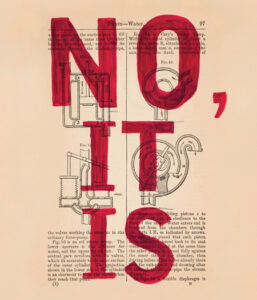
No, It Is contains 280 new drawings by William Kentridge (born 1955), selected from a series of approximately 500 drawings made over a three-month period toward the end of 2012.
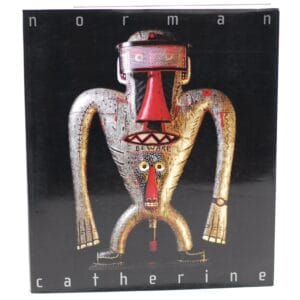
Foreword by David Bowie. Norman Catherine is considered to be at the forefront of South African contemporary art with his rough-edged comical and nightmarish forms rendered in brash cartoon colours; his idiosyncratic visions and his dark cynicism and exuberant humour.
This poem began as a meditation on the experience of migration, loss of home, relocation and cross-cultural encounters. Ultimately, the poem became an exploration of what it means to find “home,” both physically and emotionally, personally and politically.
Nothing but the Truth is a story of two brothers, of sibling rivalry, of exile, of memory and reconciliation, of the perplexities of freedom
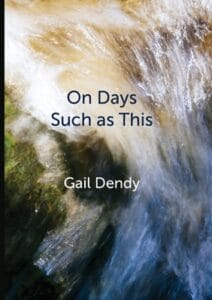
From the unusual opening poem (conflating birth with a car crash) to its close (an abandoned suitcase representing an entire lifetime), this book weaves its stories backwards and forwards through time and place
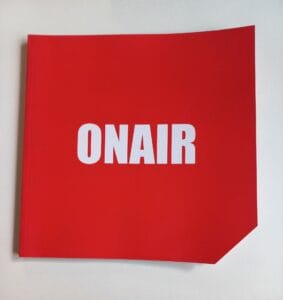
A collaboration with The Trinity Sessions and The Johannesburg Civic Theatre. This compilation explores public artworks in Johannesburg.
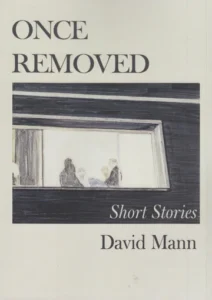
“Once Removed is for readers who are familiar with the worlds of art and performance, and those for whom it is completely foreign. A reader doesn’t need to be immersed in the world of artists, critics, exhibitors, gallerists or academics to access the collection, and to enjoy the imbalances, precarity, hilarity, and possibilities represented in it,” explains Mann.
No products in the basket.